 XMR (XMR)
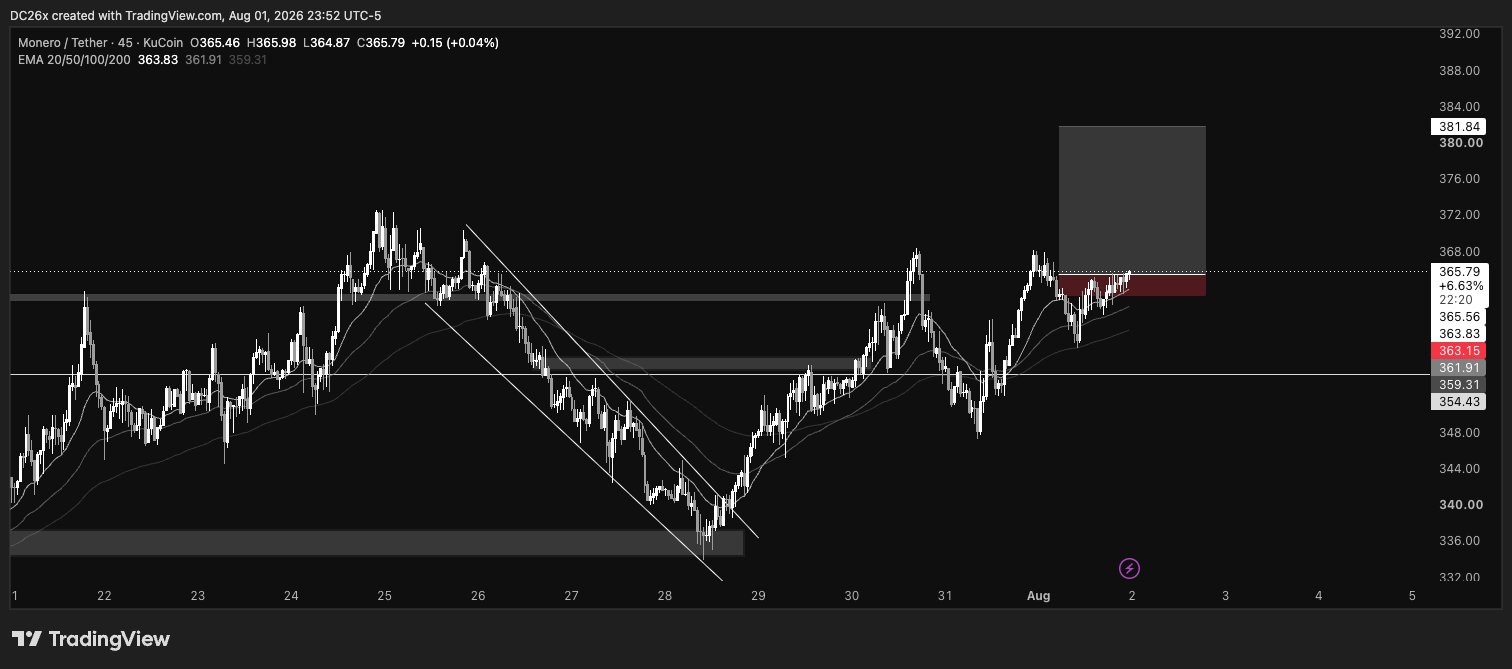
$365.13 +0.03% 24H
- 41مؤشر المعنويات الاجتماعية (SSI)- (24h)
- #24ترتيب اتجاه السوق (MPR)0
- 1الانتشار الاجتماعي 24 سا- (24h)
- 100%نسبة KOL الصاعدة خلال 24 ساعة1 مؤثر KOL نشط
- ملخص
- إشارات صعود
- إشارات هبوط
مؤشر المعنويات الاجتماعية (SSI)
- البيانات الإجمالية41SSI
- اتجاه SSI (7ي)السعر (7 أيام)توزيع المشاعرمتصاعد بقوة (100%)رؤى SSI
ترتيب اتجاه السوق (MPR)
- منبه الرؤى
منشورات X
- اتجاه XMR بعد الإصدارصاعد
- اتجاه XMR بعد الإصدارمتصاعد بقوة
 Shelby TA_Analyst Trader B269.62K @CryptoNewton
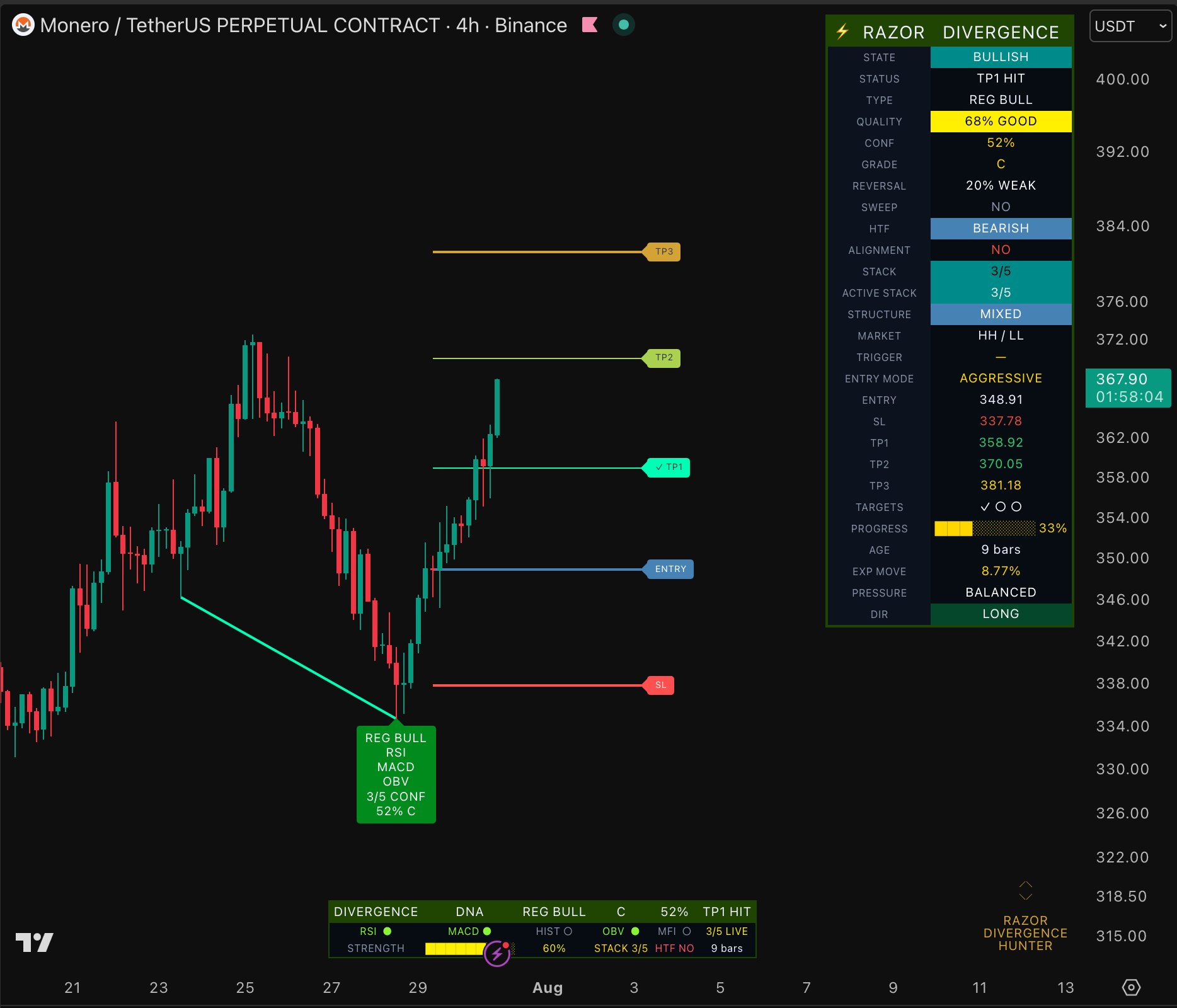 Shelby TA_Analyst Trader B269.62K @CryptoNewton
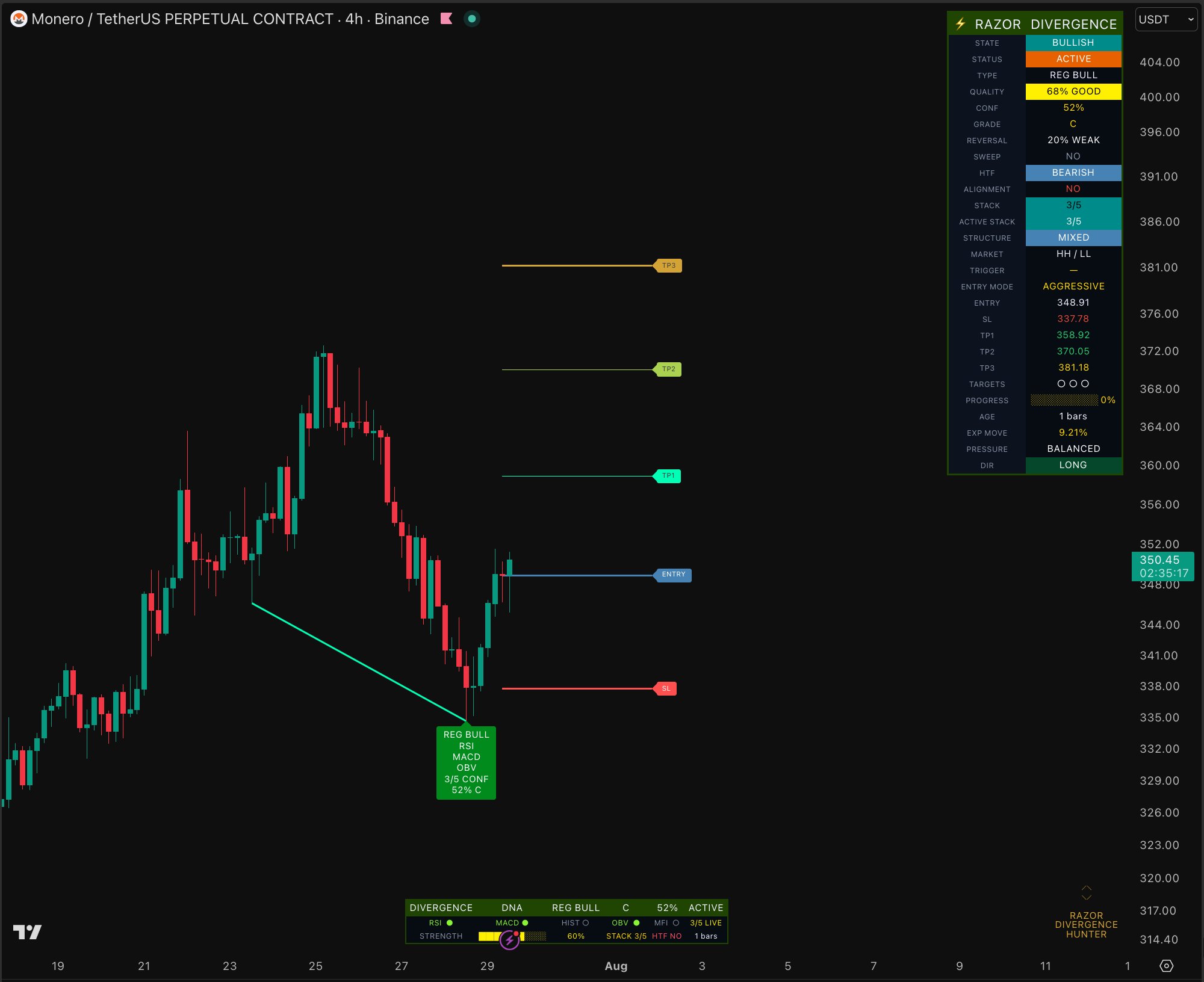 35 3 11.46K أصلي >اتجاه XMR بعد الإصدارمتصاعد بقوة
 Chart Davidson NFT_Expert Community_Lead D4.36K @ChartDavidsonDekmarTrades D121.66K @DekmarTrades1 1 137 أصلي >اتجاه XMR بعد الإصدارصاعد
 Crypto Tolga TA_Analyst Trader B79.13K @CryptoTolga_
 Hocca D62.94K @hocca_official
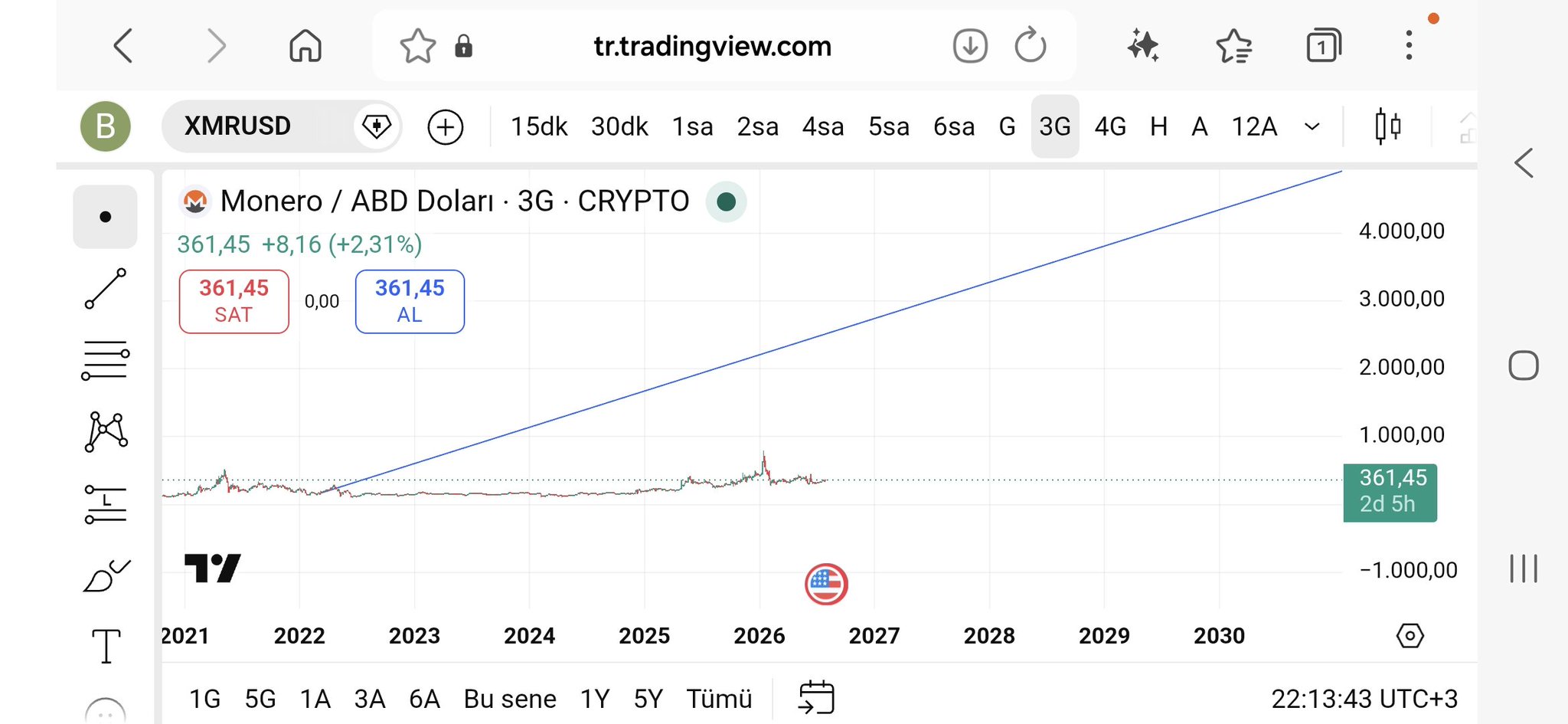 72 16 11.05K أصلي >اتجاه XMR بعد الإصدارمتصاعد بقوة
 Bitcoin Takeover (BTCTKVR.com) Educator Media C4.16K @BTCTKVRBitcoin Takeover (BTCTKVR.com) Educator Media C4.16K @BTCTKVR5 1 260 أصلي >اتجاه XMR بعد الإصدارمحايد
 Rumblo Media Influencer B6.95K @RumblestripssBitcoin Takeover (BTCTKVR.com) Educator Media C4.16K @BTCTKVR5 1 260 أصلي >اتجاه XMR بعد الإصدارمحايد
- اتجاه XMR بعد الإصدارمتصاعد بقوة
- اتجاه XMR بعد الإصدارمتصاعد بقوة
- اتجاه XMR بعد الإصدارصاعد