Most projects on the DePIN track have already faded like a brief bloom;
But XPIN @XPINNetwork, which I've been following for a long time, doesn't seem to be a “story‑once‑told‑and‑gone” DePIN project. Especially after reading the annual report below, it continues to push the DePIN + PayFi combined path. In terms of data and product, it still stands out on the DEPIN track.
First, a premise: I don't think XPIN's model has been “market‑validated” yet; everything is still in the BUILD phase.
Moreover, on the DePIN track, to date, only a few projects have truly proven a commercial model, and XPIN is no exception: it hasn't proven it can scale, nor that its token model is self‑consistent.
What is rare is that it hasn't exited early by 2025; even in a weak market, it is still slowly accumulating the less “sexy” stuff, which is commendable!
1️⃣ What it got right!
XPIN is a DePIN project with an August TGE, focused on a global eSIM + Freedata network. It has no grand narrative, just making the network and telecom infrastructure more WEB3;
Key “results” for 2025:
1) Global eSIM users > 120,000
2) Total locked $XPIN 3.8 billion
3) Token‑holding addresses 74,000+
4) Peak price 20x, currently about 5x
XPIN's biggest advantage is that it already has a product in the field, has generated data, and has ongoing users. In the DePIN space, achieving this is already above the passing line; if it catches the wind, it should perform well.
2️⃣ What I really focus on is not communication but structural experimentation!
The summary mentions that XPIN's real highlights for 2026 are three items:
1) Deflationary mechanism launch:
Tie network usage, staking, and consumption into a closed loop with $XPIN value.
2) DePIN + PayFi closed loop (crucial)
A very aggressive idea:
Global network fees = covered by staking yields;
Users can connect without extra payment.
If achieved, the network's own revenue would subsidize usage costs, essentially turning “communication fees” into a financial yield side‑product—an interesting experiment.
3️⃣ XPIN ID (the most underrated, in my view)
Leveraging global coverage to launch a universal, high‑privacy authentication system that replaces traditional SMS codes, usable for wallets, exchanges, DAOs, enterprises. I see this as moving from the communication layer to the identity layer.
3️⃣ Future observations:
The DePIN track is no longer hot, but as the best bridge between infrastructure and Web2, I think it will explode again at some stage;
In this high‑attrition DePIN arena, simply “still doing work” is already a selection criterion.
As for how far it will go, I won't take sides early; I'll quietly watch like everyone else. For XPIN, I think we should keep an eye on three directions:
1) After subsidies drop, will users stay?
2) Does network quality really improve?
3) Does the new structure bring non‑speculative demand?
#XPIN #Freedata $XPIN
 XPIN Network (XPIN)
 Evening Trader Group OnChain_Analyst Trader B30.39K @Eveningtraders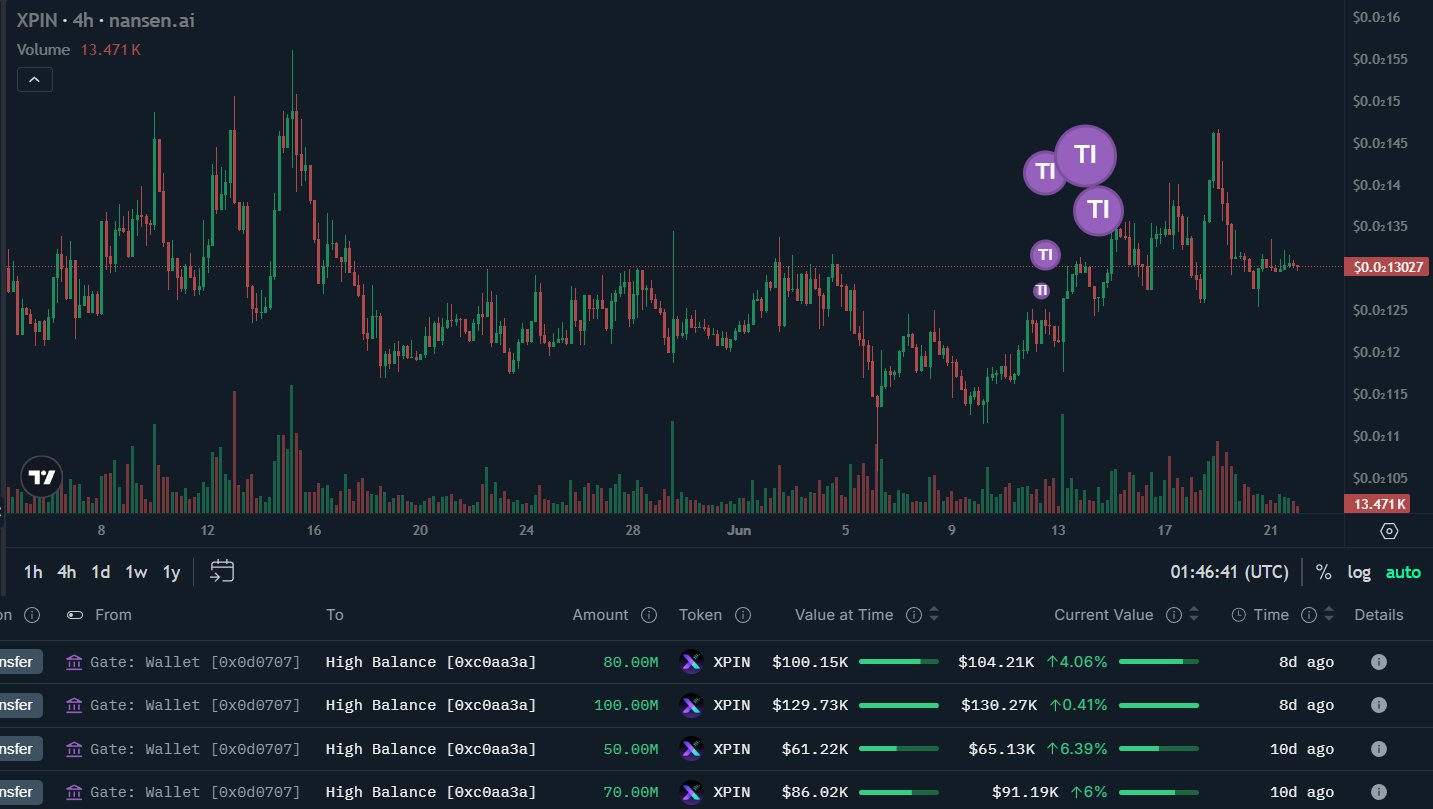
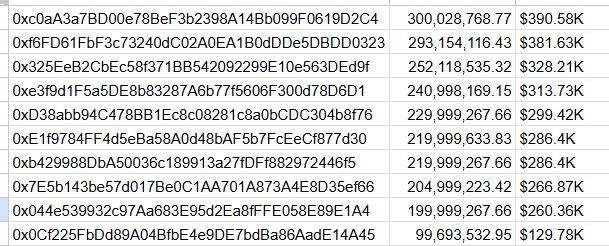

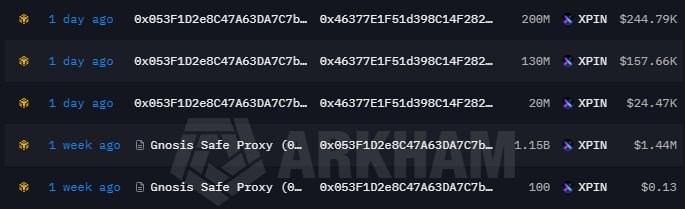

 28 2 9.23K أصلي >اتجاه XPIN بعد الإصدارهابط
 0x思远 FA_Analyst OnChain_Analyst B126.35K @nftsiy
 Binance Wallet D2.86M @BinanceWallet
 50 30 22.66K أصلي >اتجاه XPIN بعد الإصدارصاعد
 Daan Crypto Trades TA_Analyst Trader C416.26K @DaanCrypto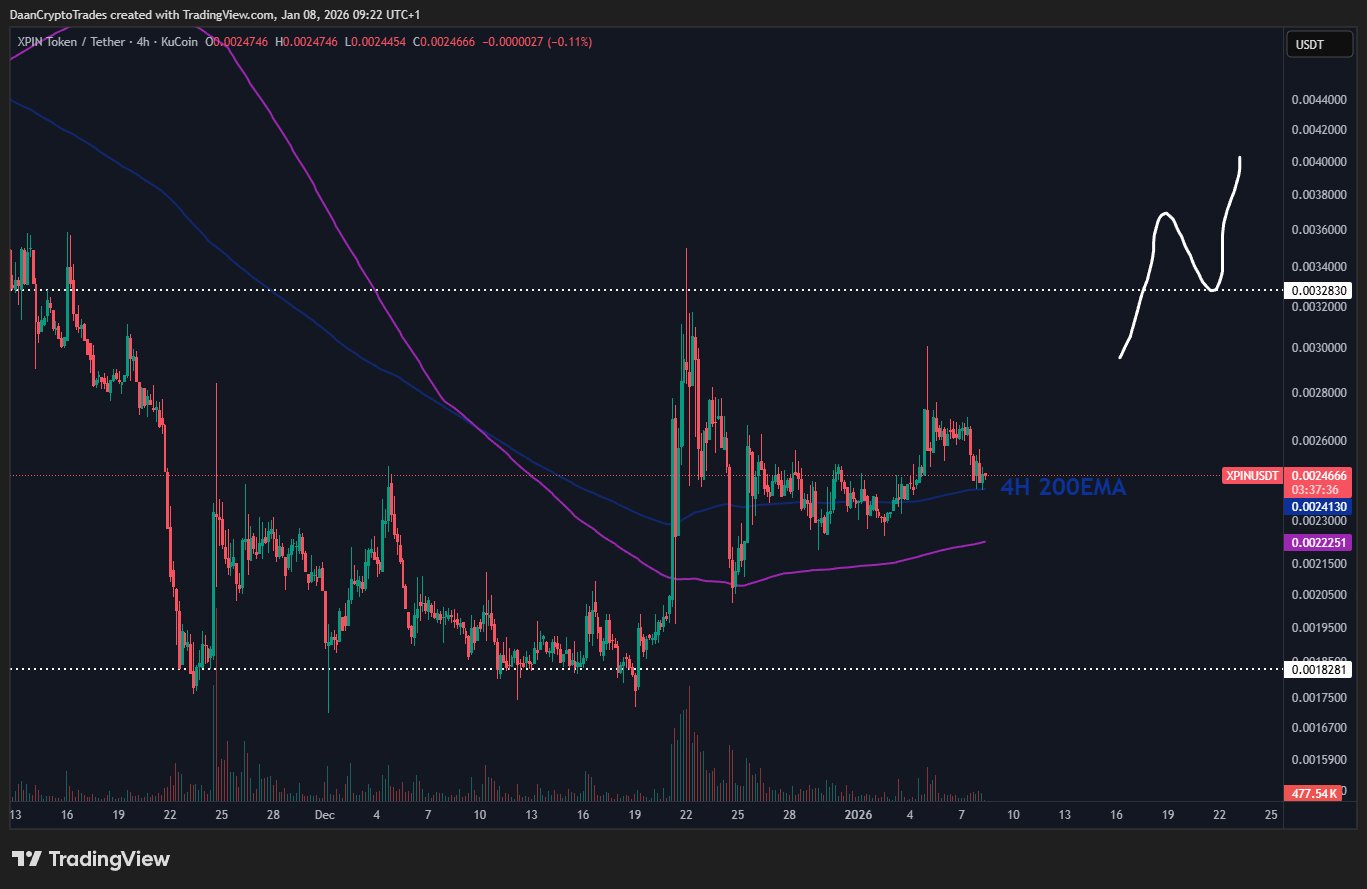
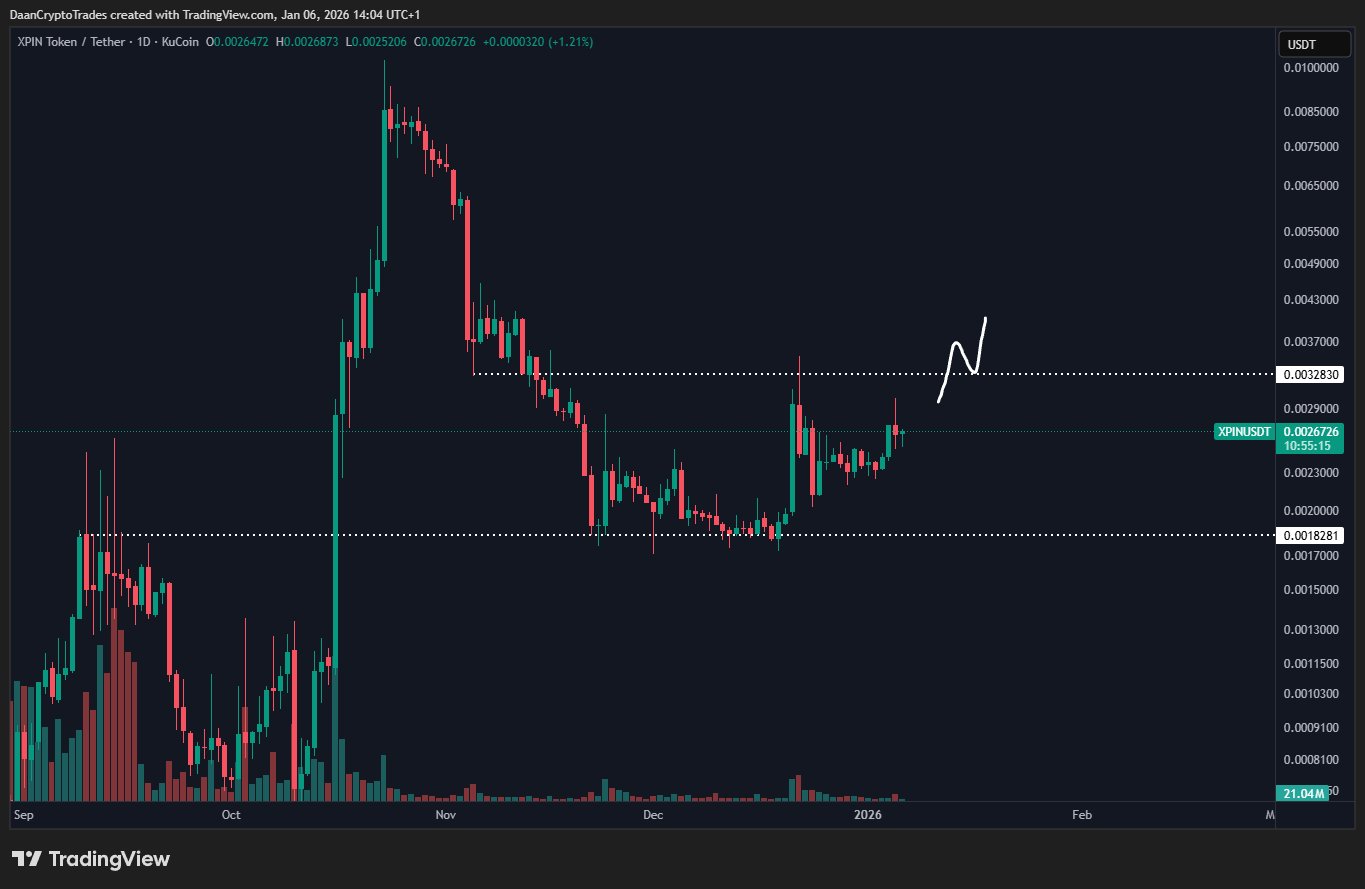 23 5 10.45K أصلي >اتجاه XPIN بعد الإصدارصاعد
 BITWU.ETH 🔆 FA_Analyst Educator D375.19K @BitwuxXPIN Network🛰️ D149.67K @XPINNetwork39 16 25.34K أصلي >اتجاه XPIN بعد الإصدارصاعد