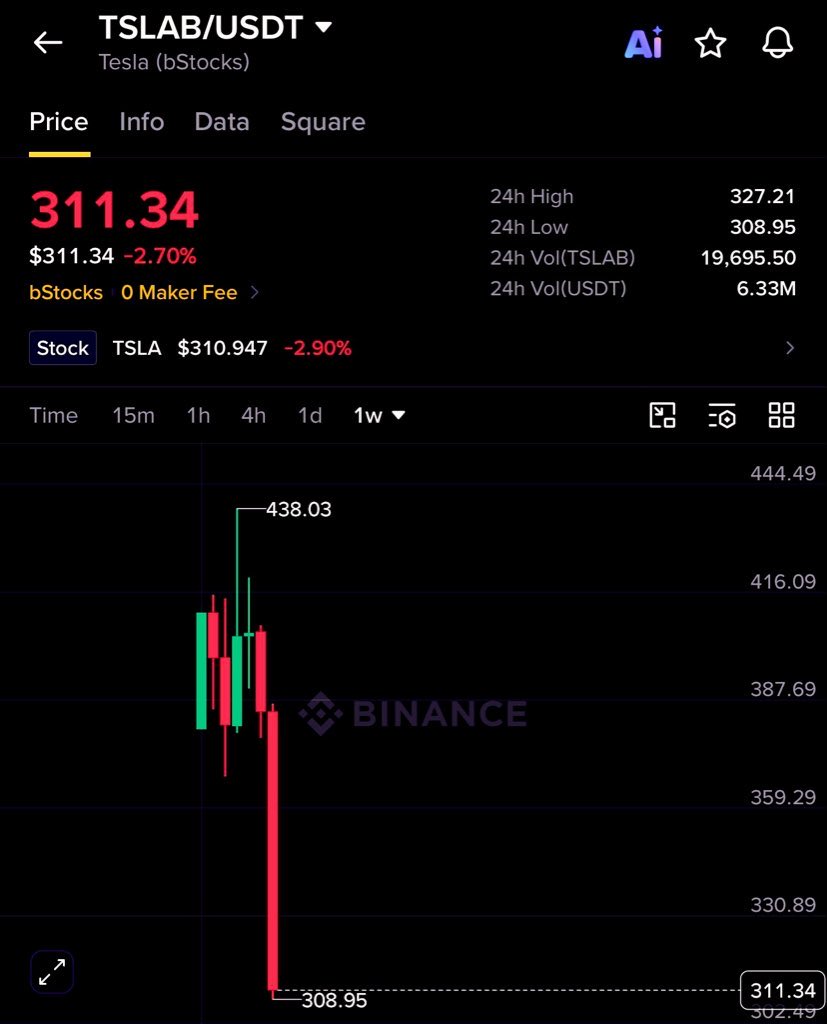
Binance listing everything near the top….😭 https://t.co/76unsSi3HR


 486.5K @TheMoneyApe
 Binance listing everything near the top….😭 https://t.co/76unsSi3HR
 408.1K @Kalshi
 JUST IN: Tesla stock falls to new low of $315
 40
40
 15
15
 8.2K
8.2K
 9.6K @Liembriel
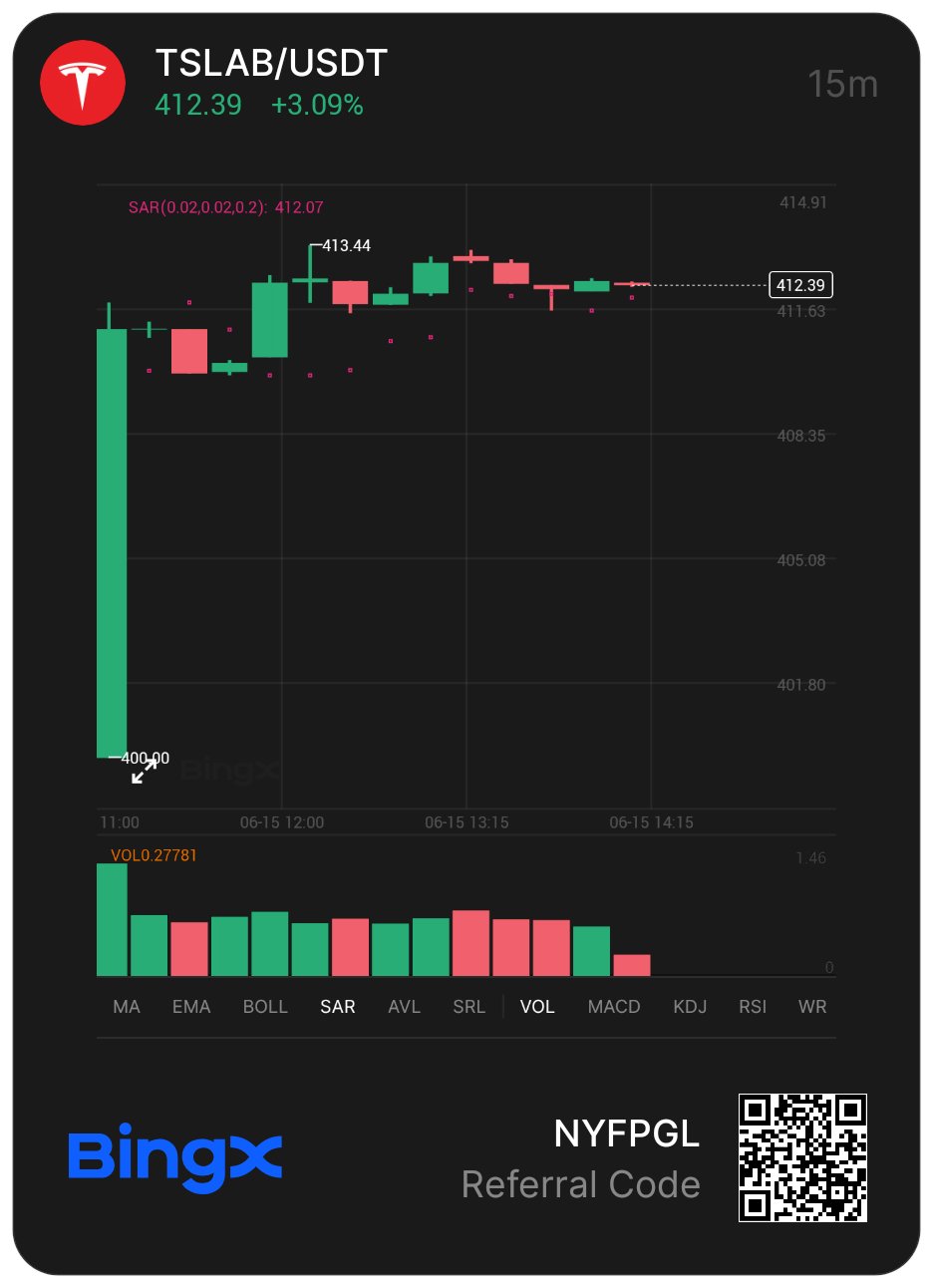
 Fresh listings always catch my attention because they often bring new opportunities to explore.
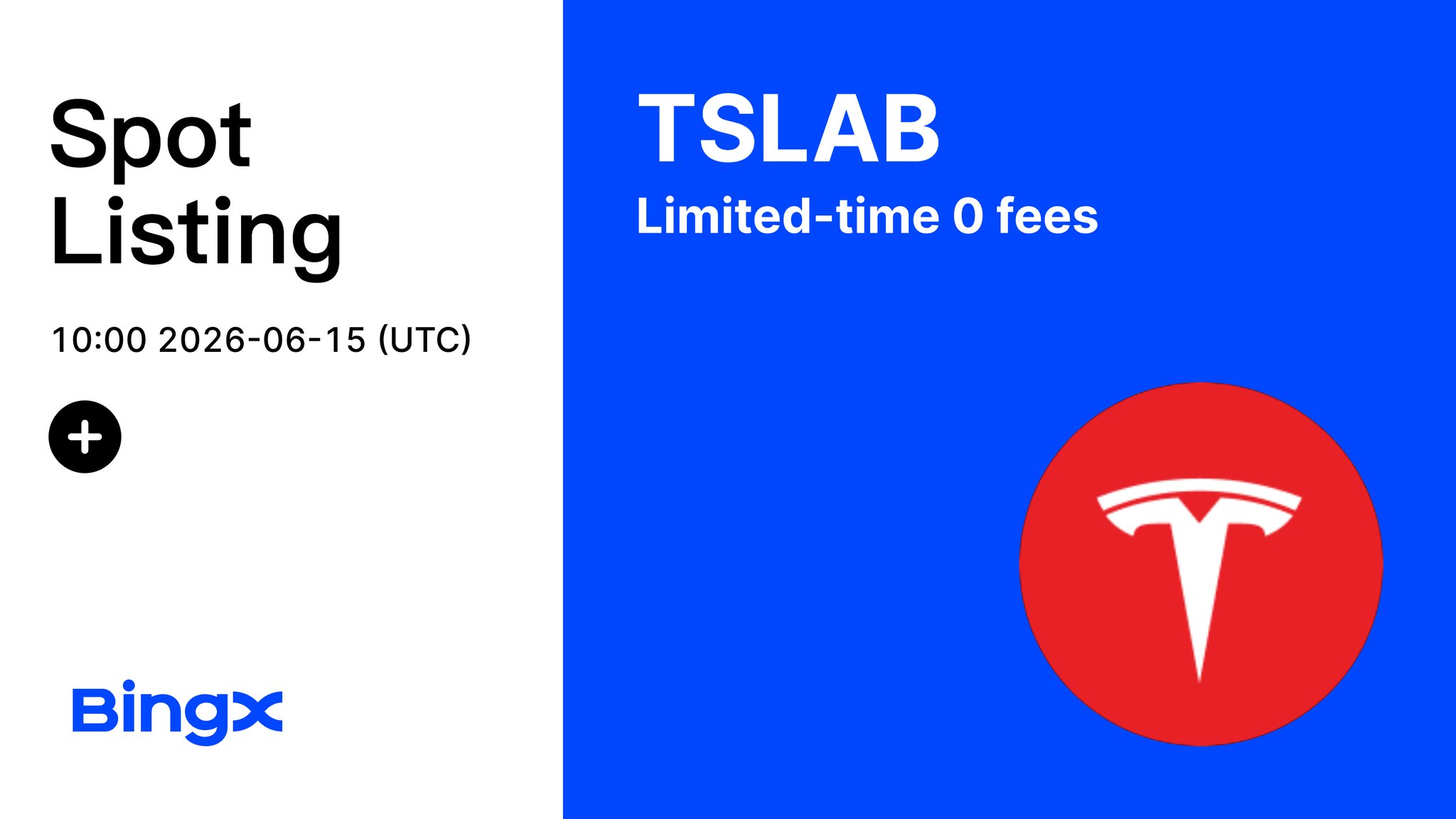
The $TSLAB listing on BingX is one I will be watching closely. If you have been looking for something new to trade, it might be worth checking out the spot market and seeing how it develops.
What do you think about $TSLAB so far?
#TSLAB #Crypto #CryptoTrading #Web3
 179
79
21.2K
179
79
21.2K
 71.8K @0xTodd
 Yesterday SpaceX IPO, ended up with a headache thanks to xStocks.
Today I casually researched and want to share the underlying similarities and differences of a few mechanisms.
1. Kraken's xStocks, comply with Liechtenstein regulations, security tokens, essentially provide price exposure without actual voting rights.
2. Binance's bStocks, similar, comply with Abu Dhabi ADGM regulations, thus each token requires individual approval to be listed, so currently only Tesla, SpaceX, Micron are available.
3. Binance's 7000 US stocks, underlying connection is Alpaca brokerage, so whatever the broker offers, Binance offers as well.
What's the difference between bStocks and the 7000 US stocks?
bStocks is essentially a token that 1:1 tracks stock prices, therefore it can trade 24/7, be transferred on-chain, even placed in DeFi.
The 7000 US stocks remain brokered assets, they rest when the market rests, cannot be on-chain, but the advantage is completeness.
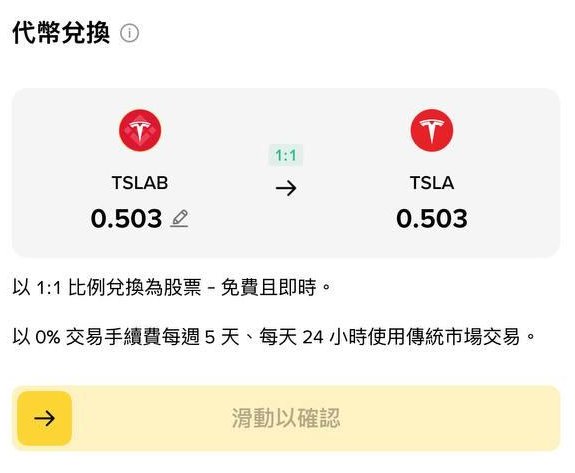
Thus you can see Binance now has two versions of Tesla: TSLA follows the brokerage model, TSLAB follows the token model. Tokens have a B suffix, and assets in both models can be converted losslessly.
 59
24
22.7K
59
24
22.7K
