JUST IN: The attacker behind the Humanity Protocol exploit has moved part of the stolen funds.
The exploiter swapped a portion of the stolen assets into USDC and deposited the funds to KuCoin. https://t.co/eHWNvH8VbG
JUST IN: The attacker behind the Humanity Protocol exploit has moved part of the stolen funds.
The exploiter swapped a portion of the stolen assets into USDC and deposited the funds to KuCoin. https://t.co/eHWNvH8VbG
The #Humanity Protocol exploiter swapped part of the stolen funds for $USDC and deposited it to #KuCoin.
https://t.co/ZcsrKWUQiP https://t.co/iSMcluWjxk
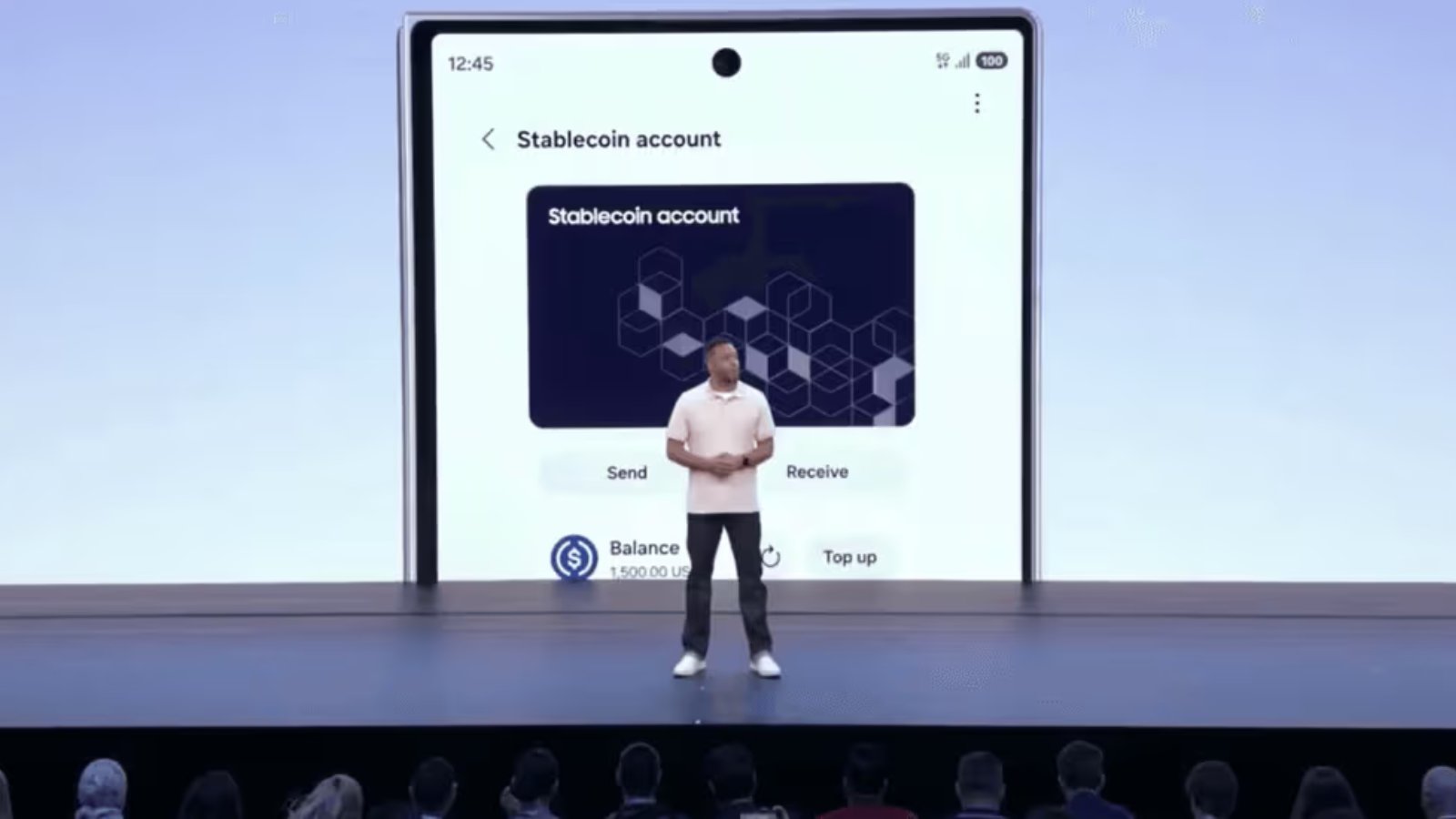
💸 Meta explores payments with USDC as a possible base of the creator economy
Meta is increasingly exploring the use of stablecoins as a payment infrastructure for creators on Instagram and Facebook. The goal is to simplify monetization, reduce costs, and accelerate global payments, although large-scale implementation has not yet been confirmed.
Initial tests and project direction
The company has been testing stablecoin-based payment systems in limited environments. In some markets, certain creators already have access to alternative payment options using USDC for tips, subscriptions, and digital rewards.
The general idea is to improve the efficiency of international payments and reduce reliance on traditional processors, which often involve higher fees and longer settlement times.
Why stablecoins matter
Stablecoins like USDC combine value stability with the speed of digital transfers. In theory, this would allow creators to receive global payments with less friction and greater speed, while maintaining exposure to an asset pegged to the dollar.
For platforms such as Instagram and Facebook, this integration could significantly simplify monetization systems and improve the payout experience.
Current challenges
Despite the potential, there are still significant obstacles to mass adoption. Among them are regulatory uncertainty, user preference for traditional payment methods, and the complexity of integrating financial systems within social platforms.
It would also be necessary to implement strict identity verification, tax compliance, and multi-jurisdictional regulatory processes.
Current status
As of mid-2026, Meta's work in this area remains in an experimental phase, without a confirmed global rollout. The company appears to be moving more cautiously than in its previous cryptocurrency attempts, prioritizing regulatory compliance and progressive testing.
The possibility that USDC becomes a central payment layer within Meta's ecosystem remains open, though still undefined.
Important notice:
This content is based on Meta's current stablecoin initiatives as of 2026. It does not constitute financial or investment advice. Product strategies and regulations may change over time.
The integration of stablecoins on social platforms opens the door to faster, global, and less frictional payments for creators.
More details here 👇
https://t.co/pTLh0Hwt1w
USD Coin is a stablecoin brought to customers by Circle and Coinbase. It is an open source, smart contract-based stablecoin. True financial interoperability requires a price stable means of value exchange. CENTRE’s technology for fiat-backed stablecoins brings stability to crypto. The initial implementation is USD Coin (USDC), an ERC-20 token creating possibilities in payments, lending, investing, trading and trade finance — and the ecosystem will grow as other fiat currency tokens are added.