OpenGradient has already processed 150,000+ private AI inferences inside TEE enclaves.
The network recently launched a private AI agent capable of writing code, running Python, building prototypes, and generating PDFs, all with end-to-end encrypted execution.
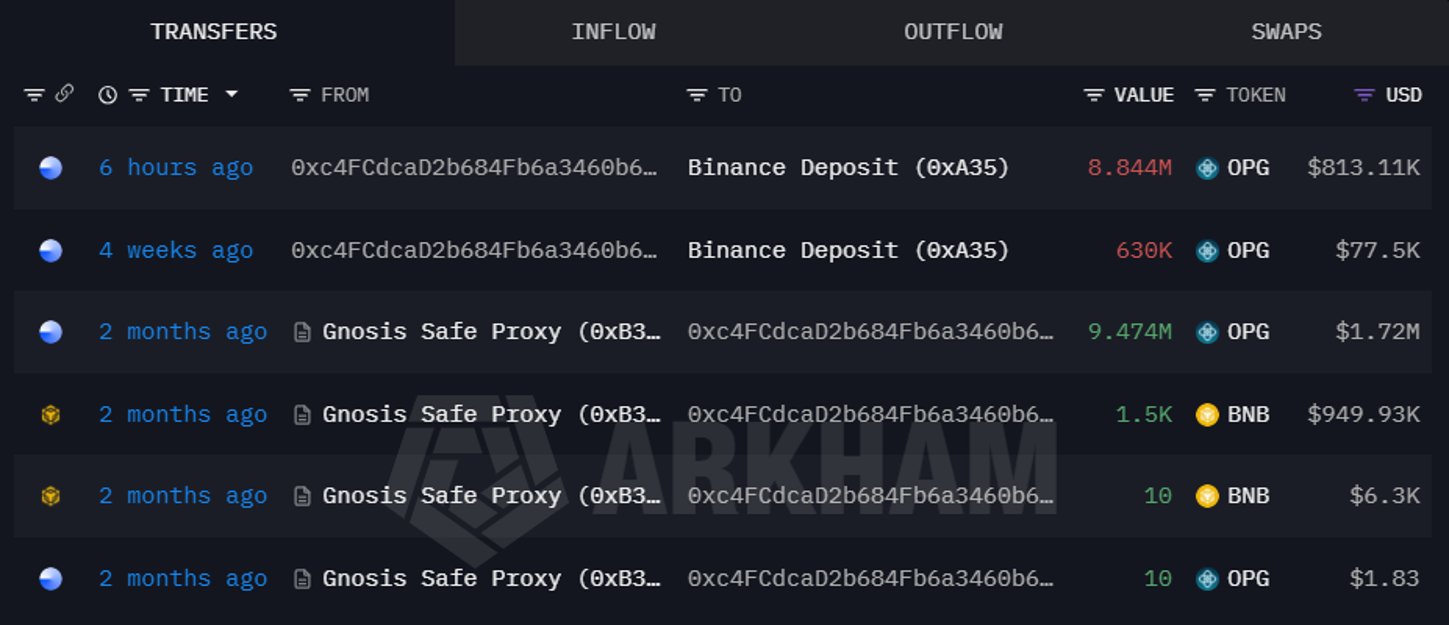
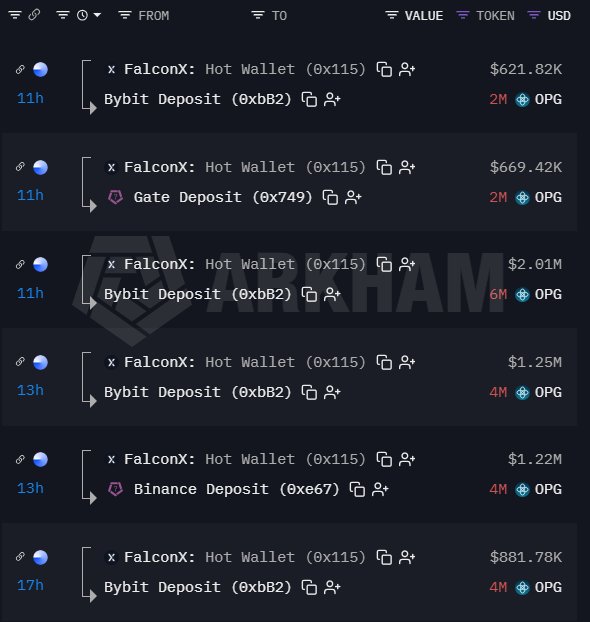
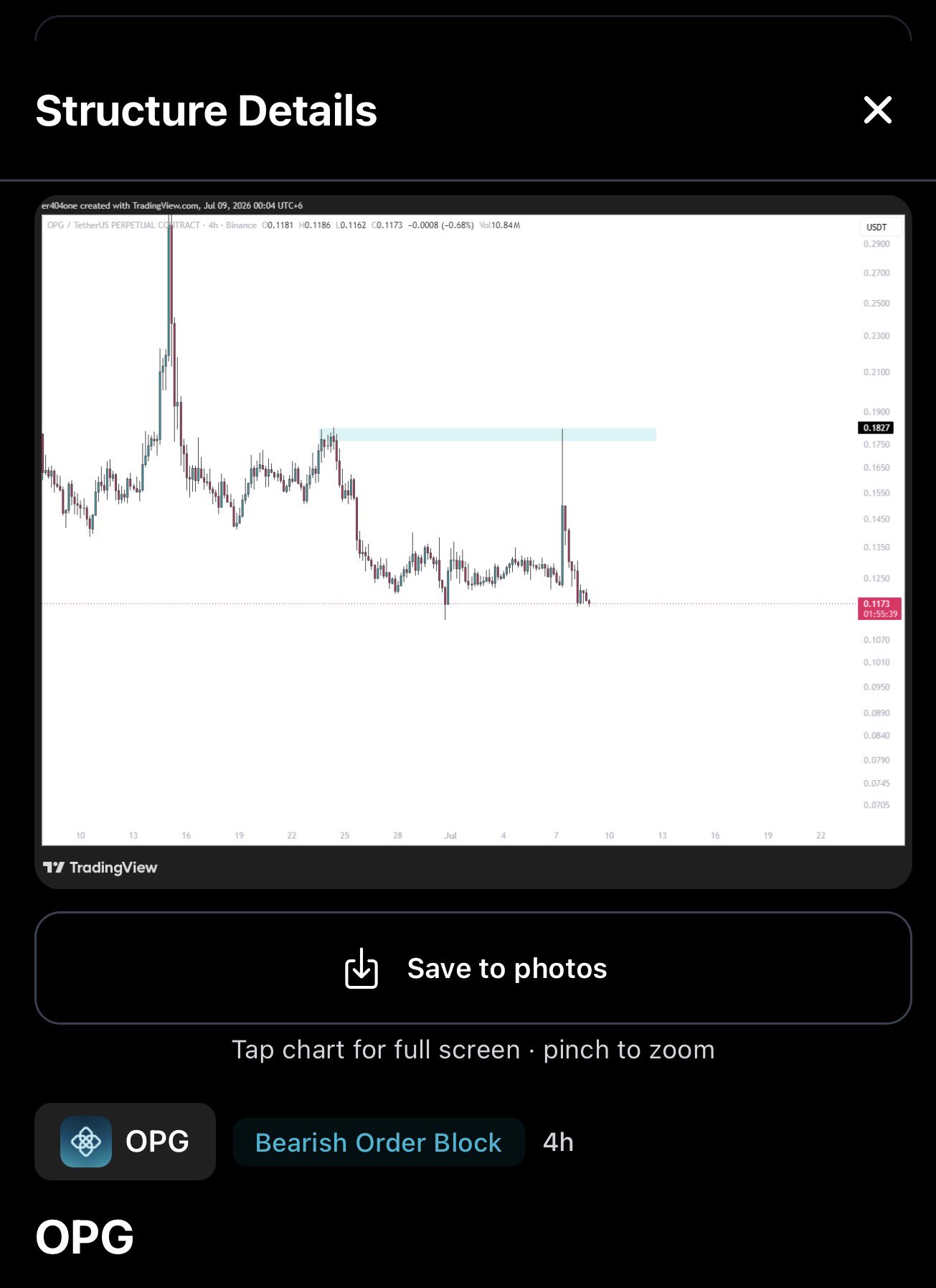
$OPG still sits near a ~$26M market cap.
Why is the market barely valuing infrastructure built for private and verifiable AI execution?
OpenGradient is building a decentralized AI coprocessor for blockchains, applications, and autonomous agents.
The network allows developers to outsource AI inference and model execution to a decentralized network while preserving privacy and verifiability.
The ecosystem focuses on:
• Private AI inference
• TEE-based execution
• AI model hosting
• Onchain AI verification
• Autonomous agent infrastructure
The core problem it addresses is trust.
Most AI systems today rely on centralized providers where users cannot verify how decisions were produced or guarantee privacy.
OpenGradient attempts to solve that through encrypted execution environments combined with cryptographic guarantees.
That differentiates it from general GPU marketplaces and many AI agent platforms.
There are still important challenges.
Infrastructure networks only become valuable if developers actively integrate them.
Long-term success depends on:
• dApp integrations
• Developer adoption
• Sustained inference demand
• Growth in node participation
Supply is another consideration:
• ~198M tokens currently circulate
• Maximum supply is capped at 1B
• Future value depends largely on real network usage rather than narrative alone
At the same time:
• No major exploit history surfaced
• No public governance controversies emerged
• Development remains focused on private, verifiable AI execution
Tokenomics
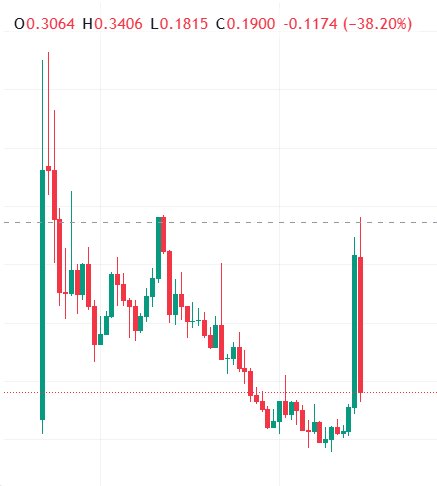
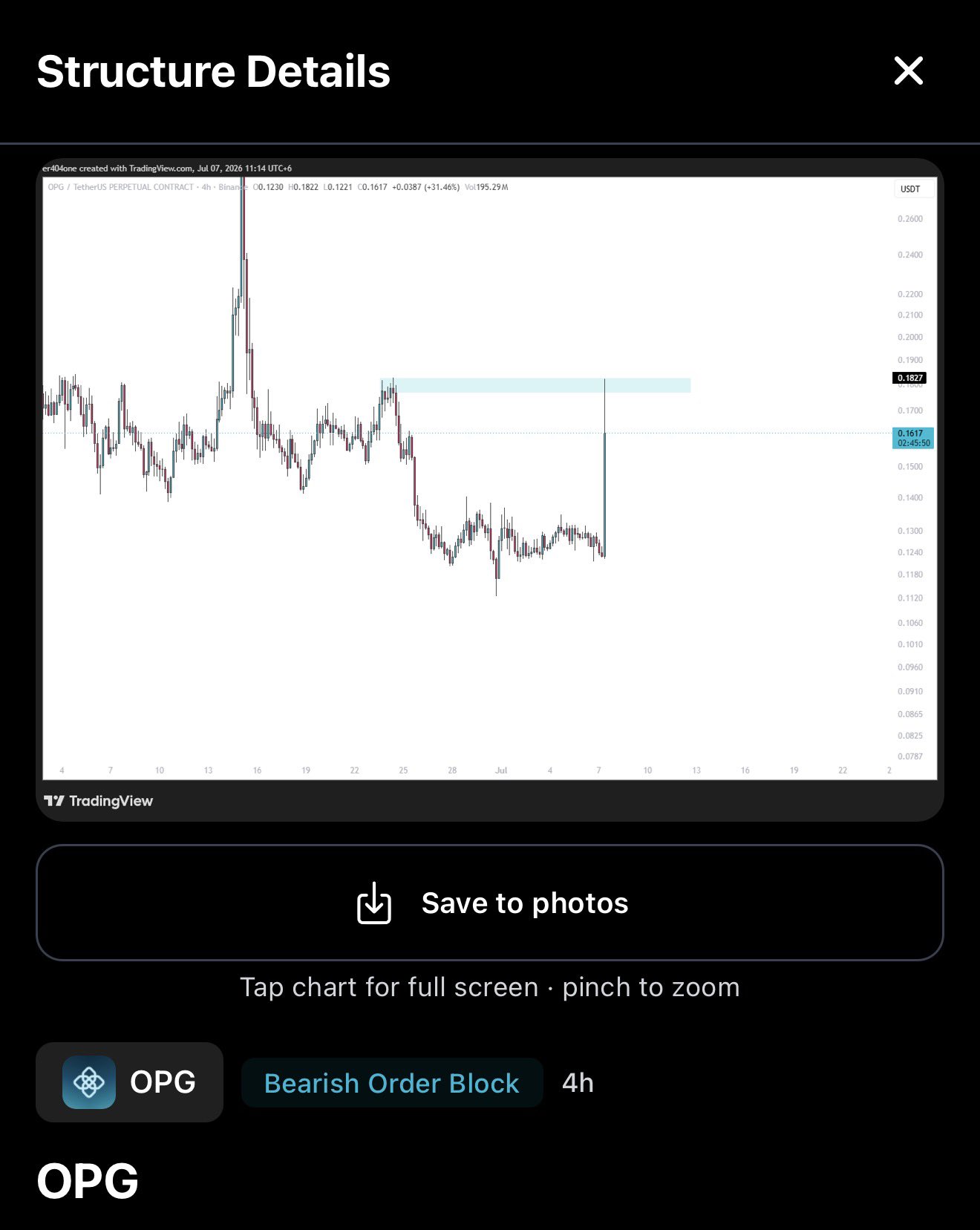
• Price: ~$0.13
• Market cap: ~$26M
• Circulating supply: 197.59M
• Max supply: 1B
Always take whatever you read on the internet with a pinch of salt, do your own research, NFA.