USD1 achieved a massive surge in market cap and trading volume through high subsidies and a partnership with Binance, and is actively expanding into the AI payment lane.
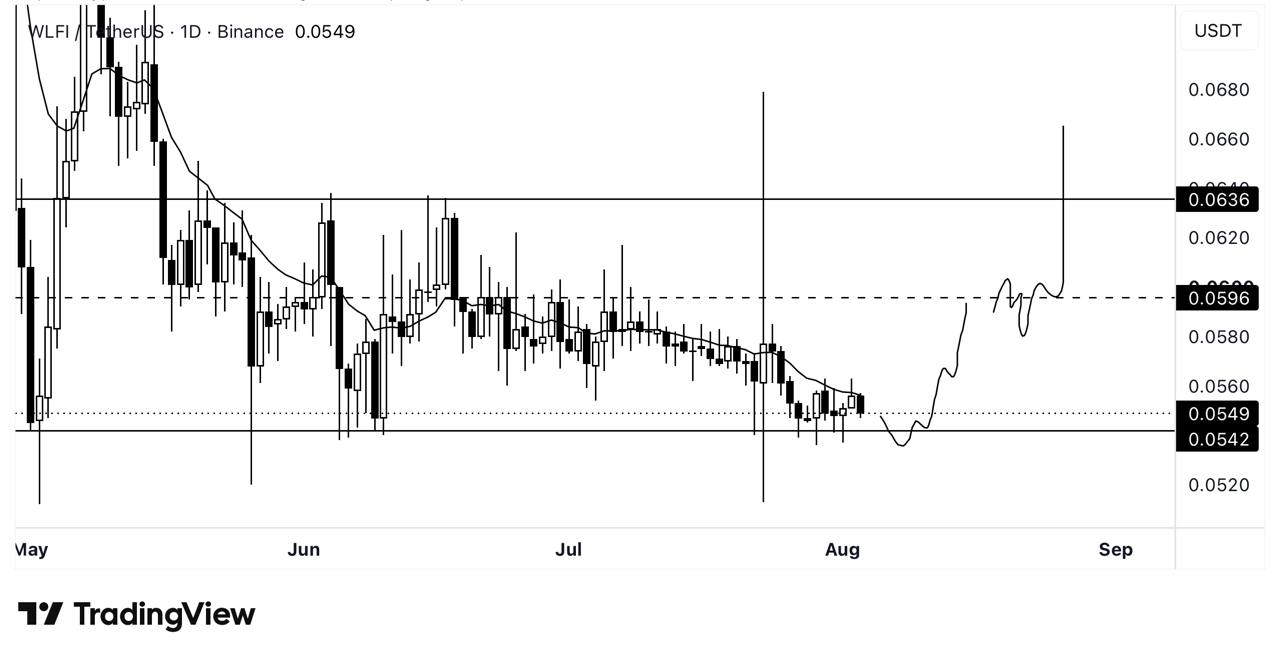
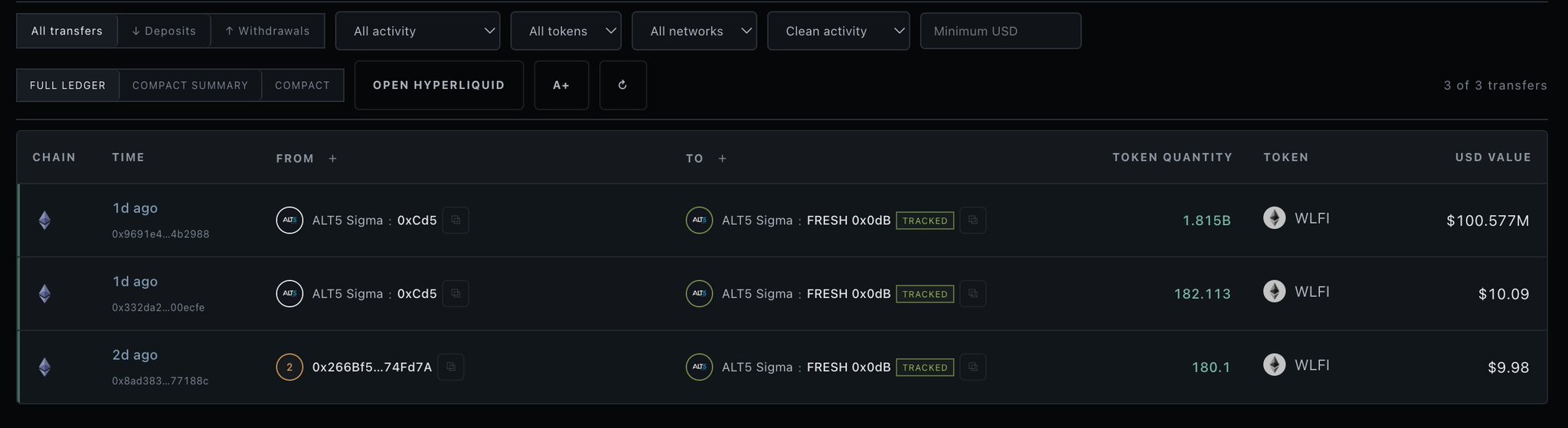
wlfi's bear market money burning “art”
◎Entry disruption
The stablecoin USD1 issued by wlfi has been lukewarm since its launch in April last year. It had few users, no CEX or DeFi protocol support, and consequently little trading volume. Even if it were a stablecoin backed by a project supported by the Trump family.
The turning point came at the end of last year. USD1 entered a heavyweight partnership with Binance: Binance users holding USD1 can enjoy a 20% APR airdrop, and most importantly there is no limit on the amount.
What was the market situation at that time? After the 1011 event, market liquidity sharply declined, BTC had surged and was pulling back, and funds were seeking safe havens. In CEXs, unlimited‑amount stablecoin yield products offered less than 2% annualized, and on‑chain DeFi protocols only 3%–4%. Suddenly a stablecoin appeared promising 20% APR with no limits, instantly igniting yield‑seeking capital.
The substantially higher annual yield plus the safety endorsement from the world’s largest exchange Binance and the Trump family’s backing caused capital to flow swiftly into USD1. Its market cap doubled in half a month, jumping from $2.7 billion to $5.4 billion.
◎$135 million‑funded market
Of course, burning money is only a means; usage is the goal. wlfi’s money‑burning strategy aims to attract people to hold, trade, and use USD1 through high interest rates.
Through ongoing financial subsidies lasting over half a year, wlfi has likely spent more than $135 million (in WLFI) to continuously lure users to swap other stablecoins or assets for USD1. In this year’s persistently declining bear market, this move yields disproportionate results; doing the same last year would have been far less effective.
The purpose is to get users to actually use the attracted USD1, because idle tokens have no value. After drawing funds with high yields, wlfi delivered a series of combined moves on Binance: launching multiple USD1 trading pairs, allowing USD1 as margin for futures contracts, granting wlfi airdrop bonuses on USD1‑denominated positions, and so on, encouraging the shift from “holding” to “using” USD1. Once these measures were in place, USD1’s trading volume surged.
◎USD1 Half‑Year “Report Card”
In six months, wlfi burned $135 million to make USD1 cover virtually all use cases, including CEXs (Binance, Bybit, Gate, Mexc), DeFi protocols, and Perp DEXs, becoming the fourth most prominent stablecoin.
Market cap: USD1’s market‑cap ranking among USD stablecoins rose from 7th at the start of the year to 4th now, behind only USDT, USDC and USDS (DAI), leaving USDe, PYUSD, USDD and others behind. In other words, USD1 has become the fourth “mountain.”
Market size: USD1’s daily trading volume grew from about $200 million at the start of the year to roughly $2 billion today, a ten‑fold increase.
Brand impact: In six months, USD1 went from being unnoticed to being the first stablecoin that comes to mind when people think of exchange‑based yield products. wlfi’s half‑year, $135 million spend has elevated USD1’s recognition to just behind USDT and USDC.
$135 million bought a 50% market‑cap increase, a ten‑fold usage scale, and brand recognition just behind USDT and USDC. Do you think this was a worthwhile deal? I believe it was, and very profitable.
◎USD1 Future Development
After securing a market position just behind USDT and USDC by burning cash in crypto, USD1 is now looking beyond to AI infrastructure. First, it is unrealistic for USD1 to catch up to or surpass USDT/USDC in the short term, so it needs a growth lever that can achieve a “curve‑ball” leap. Second, AI payment infrastructure is in its infancy, with market potential far exceeding that of crypto; exploring a blue‑sea market is preferable to battling in a red‑sea scramble.
Doubling down on AI machine payments is USD1’s smartest curve‑ball strategy. USDT and USDC have deep roots, making it virtually impossible to overtake them through crypto trading or yield alone. AI payments, however, constitute a brand‑new blue‑sea lane, and no stablecoin currently focuses on this untapped market.
Traditional stablecoins serve only ordinary peer‑to‑peer transfers and trades, offering very limited use cases. USD1 targets AI agents, compute leasing, and autonomous machine settlements—new demand streams—positioning itself as the universal dollar payment for the machine world.
USD1 has currently leveraged cash burning to gain visibility, scale, and liquidity, establishing a solid foundation. The next step is to build moats through the AI ecosystem and reap long‑term dividends. Once machine‑payment use cases are fully realized, USD1 will no longer be a subsidized, traffic‑driven stablecoin, but an underlying infrastructure with genuine demand and exclusive scenarios, unlocking a ceiling for market cap and user base that could surpass the two leading “mountains.”