 USDC (USDC)
$1.000119 -0.02% 24H
- 64ソーシャル・センチメント・インデックス(SSI)-15.58% (24h)
- #129マーケット・パルス・ランキング(MPR)-71
- 3624時間ソーシャルメンション-58.62% (24h)
- 64%24時間のKOL強気比率33人のアクティブなKOL
- 概要
- 強気のシグナル
- 弱気のシグナル
ソーシャル・センチメント・インデックス(SSI)
- データ全体64SSI
- SSIトレンド(7日間)価格(7日間)センチメントの分布非常に強気 (22%)強気 (42%)中立 (14%)弱気 (11%)非常に弱気 (11%)SSIインサイト
マーケット・パルス・ランキング(MPR)
- アラートインサイト
Xへの投稿
 R.L. ₿ryer FA_Analyst OnChain_Analyst A14.06K @rBryer23
 Zipcode D2.88K @zipcodenetwork
 12 0 481 オリジナル >リリース後のUSDCのトレンド非常に強気
 Mars_DeFi Researcher Educator B26.17K @Mars_DeFi
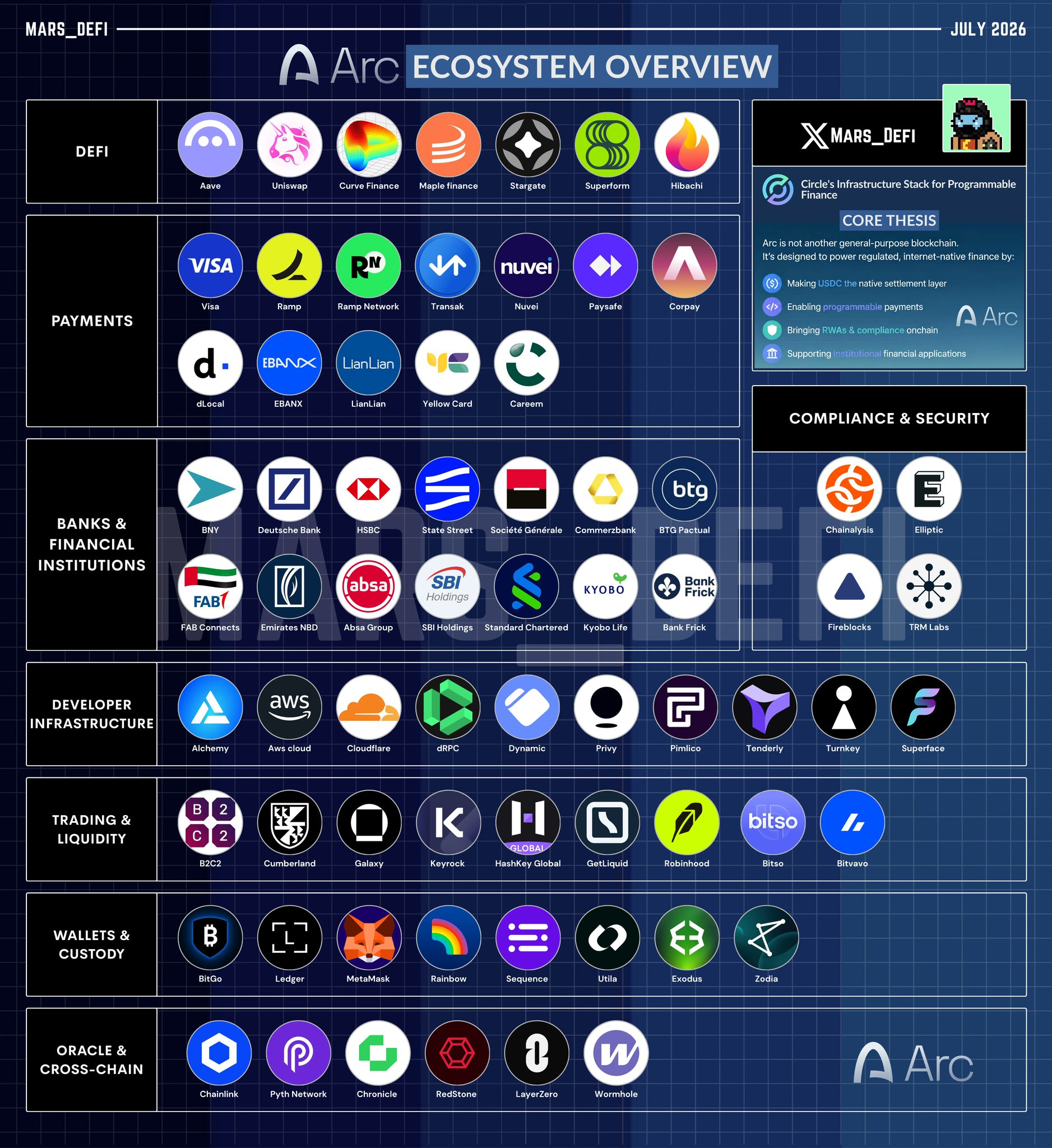 Mars_DeFi Researcher Educator B26.17K @Mars_DeFi27 21 1.07K オリジナル >リリース後のUSDCのトレンド非常に強気
- リリース後のUSDCのトレンド強気
- リリース後のUSDCのトレンド強気
- リリース後のUSDCのトレンド強気
- リリース後のUSDCのトレンド強気
 cryptorewolucja FA_Analyst OnChain_Analyst C14.76K @cryptoawos
 DefiTuna D17.45K @DeFiTuna1 0 670 オリジナル >リリース後のUSDCのトレンド弱気
 Data Wolf 🐺 OnChain_Analyst FA_Analyst D2.50K @0xDataWolf
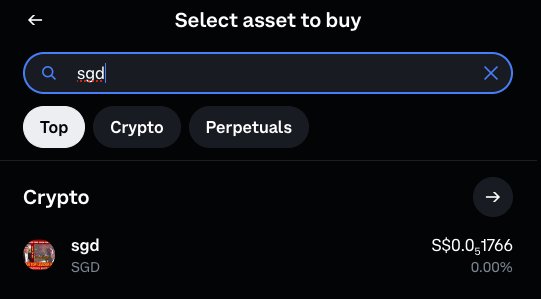 Data Wolf 🐺 OnChain_Analyst FA_Analyst D2.50K @0xDataWolf3 2 136 オリジナル >リリース後のUSDCのトレンド非常に弱気
 Tobias Reisner Trader OnChain_Analyst B19.04K @reisnertobiasTobias Reisner Trader OnChain_Analyst B19.04K @reisnertobias87 11 7.61K オリジナル >リリース後のUSDCのトレンド強気
 Morsy On-Chain Analyst Security Expert S10.99K @morsyxbt
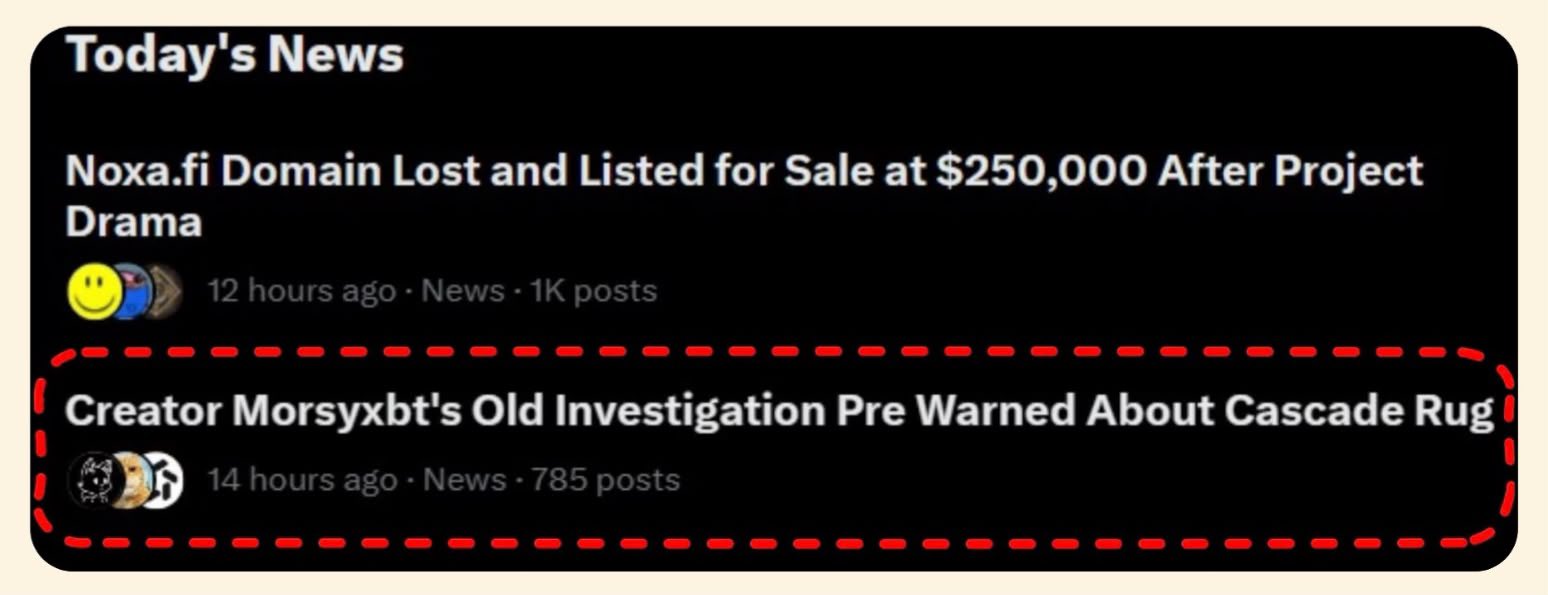 Morsy On-Chain Analyst Security Expert S10.99K @morsyxbt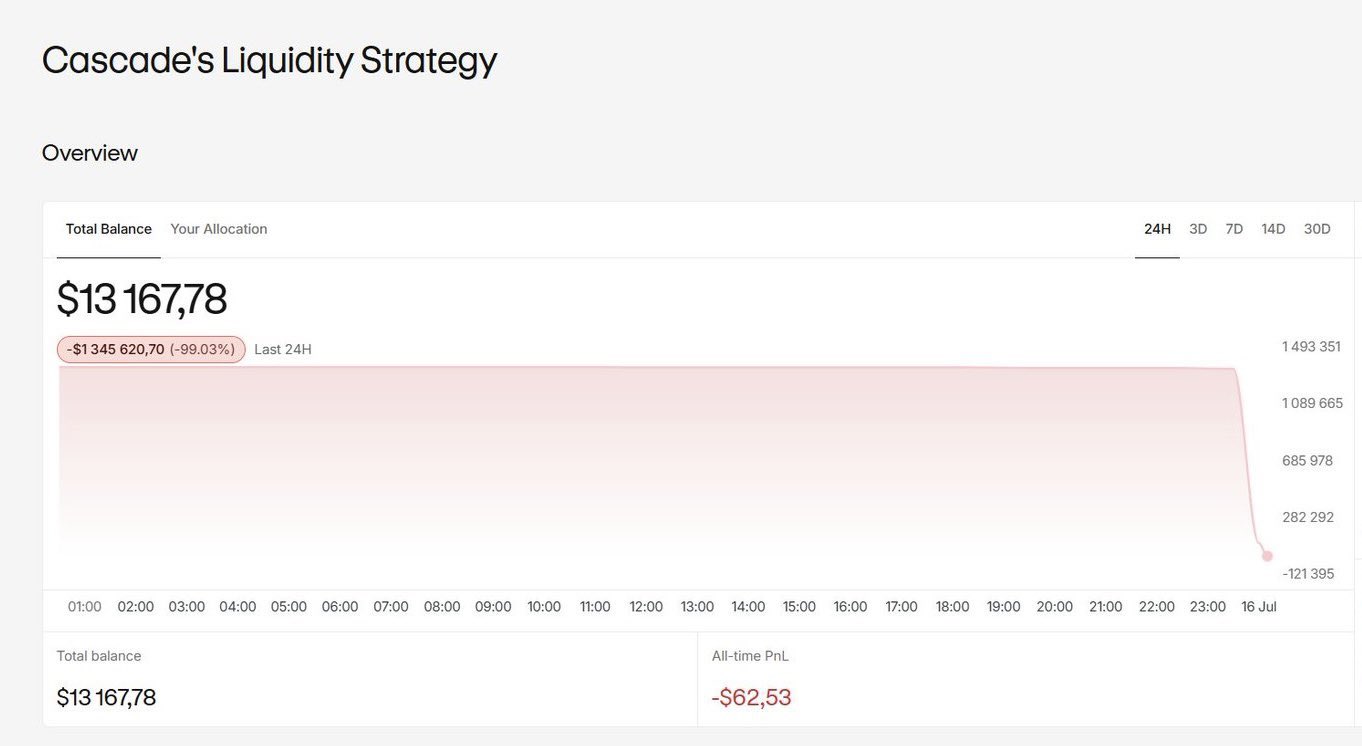
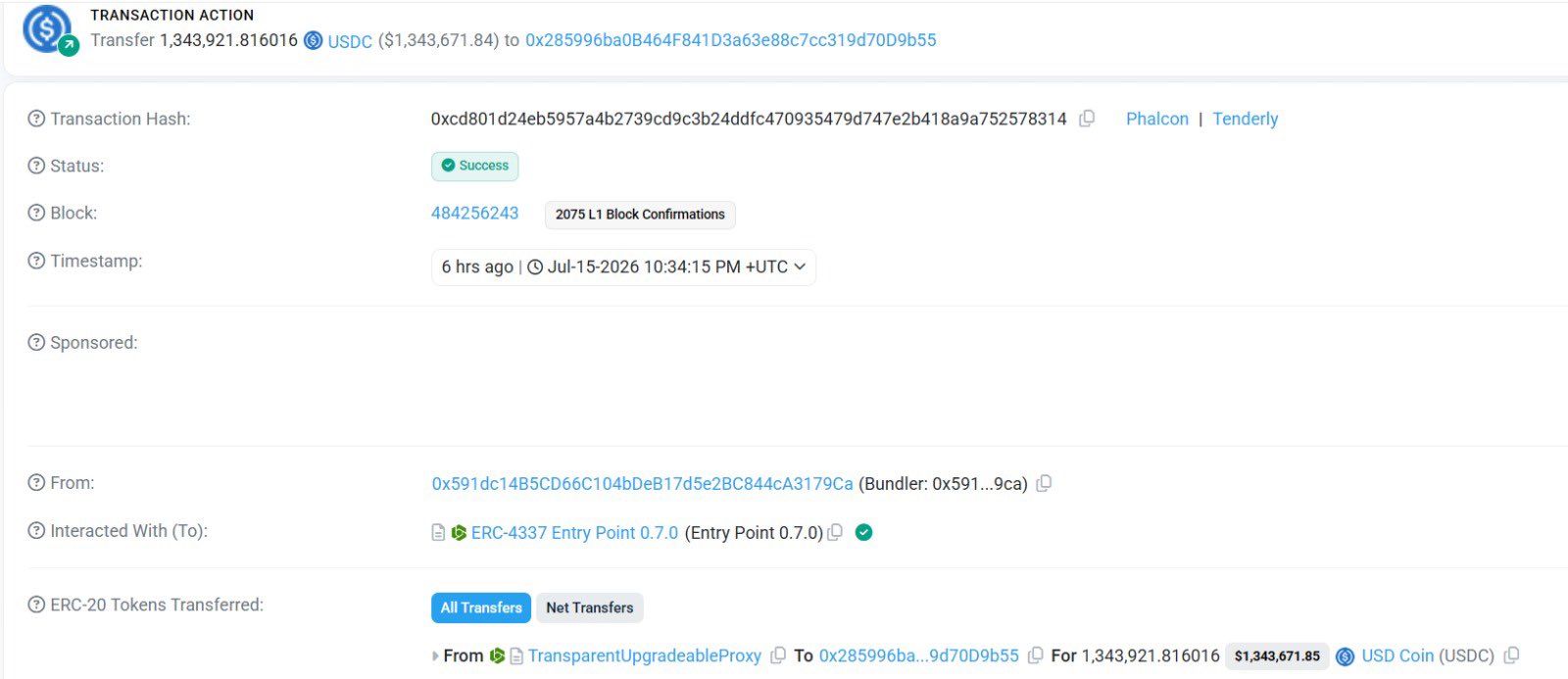
 47 15 1.73K オリジナル >リリース後のUSDCのトレンド非常に弱気