The Sub-$100M RWA Race
Some RWA plays already ran 10×–20×…
But the real bets may be the tech‑heavy RWA projects below $100M market cap.
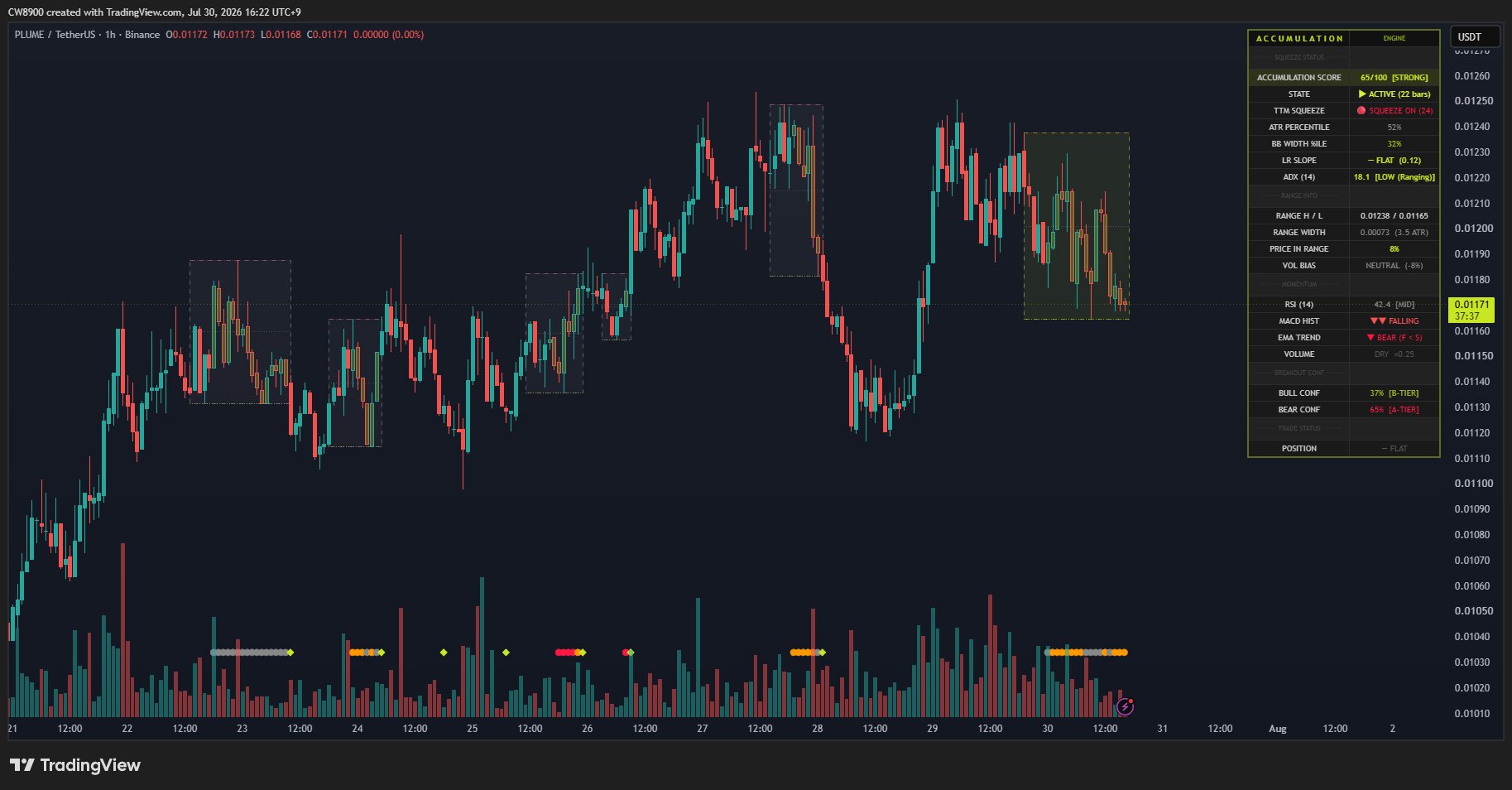
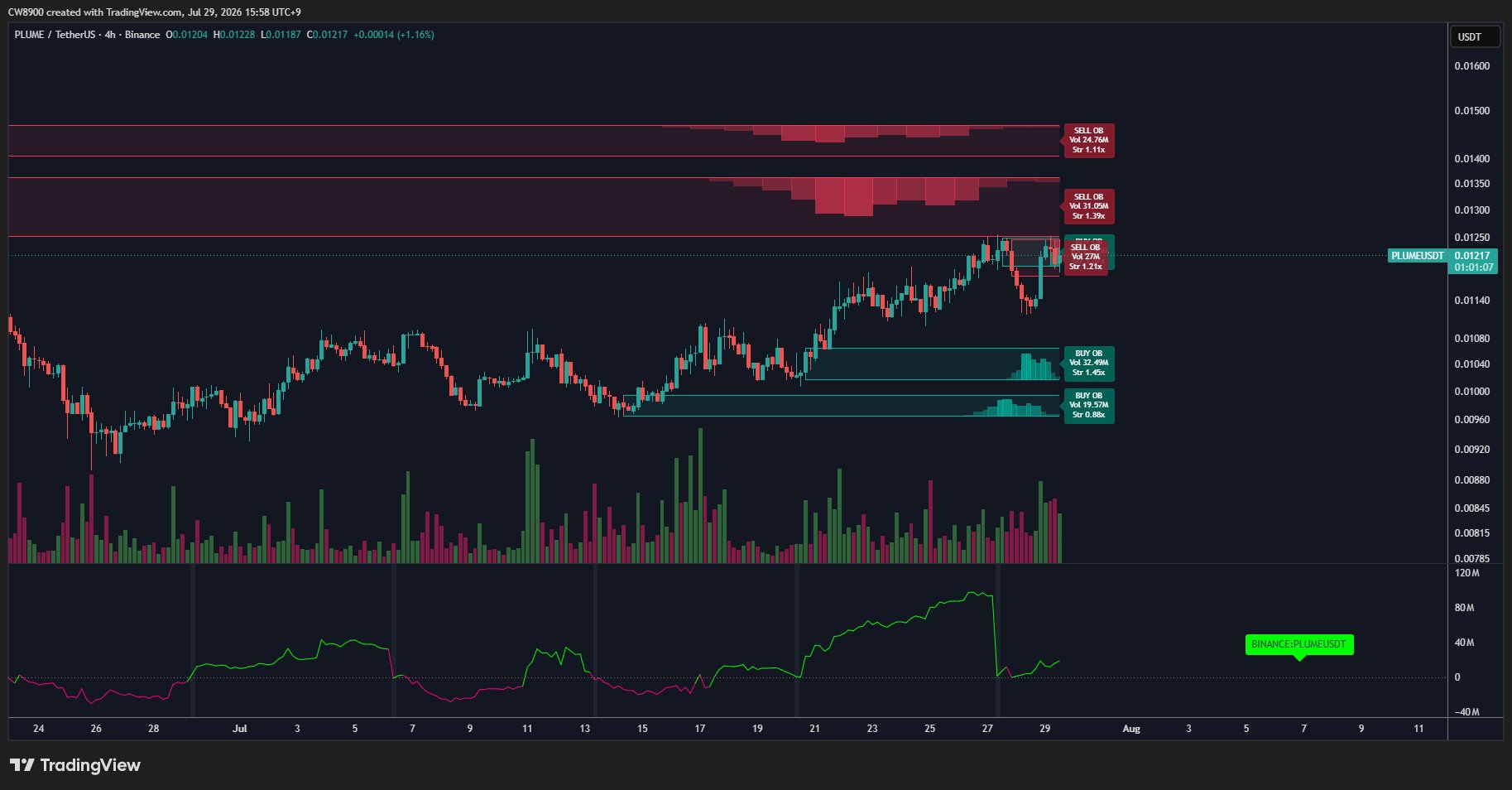
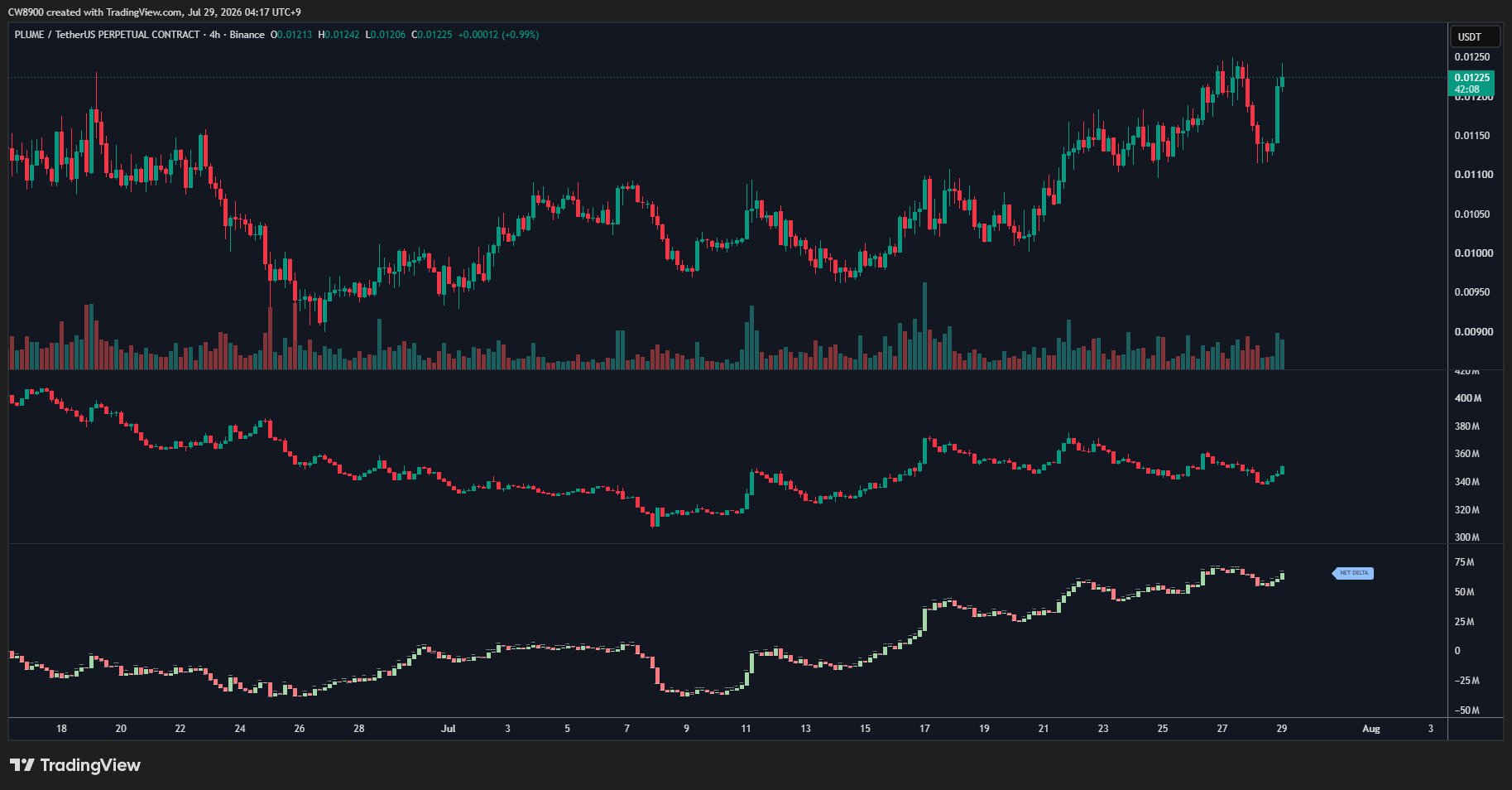
→ Plume ( $PLUME )
→ Realio ( $RIO )
→ Goldfinch ( $GFI )
Let’s dive in👇
🟡Plume ( $PLUME ): The Full‑Stack RWA L1 for Onchain Asset Finance
✦ Architecture → Modular EVM‑Compatible L1 + Arc Tokenization Engine
Plume isn’t another general‑purpose chain. It’s a public, EVM‑compatible Layer‑1 built specifically for Real World Asset Finance.
Its core engine is Arc, a native tokenization layer that turns real‑world assets like private credit, and funds into compliant, composable on‑chain tokens.
Issuers get modular compliance tools for KYC, AML, and selective disclosure baked directly into the protocol.
Plume also combines custody, trading, and yield generation in one integrated stack.
✦ Network Design → End‑to‑End RWAfi + Cross‑Chain Composability
Plume covers the full RWA lifecycle onchain.
Nest is its flagship yield protocol with vaults like Nest Alpha for diversified RWA exposure, and specialized vaults for credit card receivables.
SkyLink acts as the cross‑chain distribution layer for moving tokenized assets across ecosystems.
Nexus works as an on‑chain data highway and oracle fabric that feeds real‑world data into programmable actions.
✦ Token / Economy → $PLUME Utility + Staking
$PLUME is the native utility and gas token, with a total supply of 10 billion.
It powers transaction fees across the RWA stack, governance over asset integrations and protocol upgrades, and staking for validators, Nest vaults, and yield incentives.
Early unlocks and ecosystem funds are structured to support long‑term network growth as tokenized asset volume scales.
My take: Plume is the most complete RWA‑native L1 in this group. If RWAs move from static tokenized assets to fully composable DeFi instruments,
Plume is building the infrastructure layer for that shift.
🟢Realio ( $RIO ) : The Compliant Issuance & Securities L1
✦ Architecture → Cosmos SDK L1 with Dual‑Token PoS + EVM Compatibility
Realio runs a multi‑chain Layer‑1 built on Cosmos SDK with CometBFT consensus and EVM compatibility.
Its architecture combines permissioned and permissionless elements, making it purpose‑built for regulated digital securities and real‑world assets.
The standout feature is its dual‑token model:
$RIO as the utility and gas token, and $RST as the Realio Security Token.
✦ Network Design → End‑to‑End SaaS Platform + On‑Chain P2P Exchange
Realio works as a full SaaS platform for compliant asset issuance, investment management, and peer‑to‑peer trading of digital securities.
Its modular architecture allows white‑label solutions for issuers while keeping on‑chain transparency and liquidity.
Validators secure the network through Proof‑of‑Stake, while the platform distributes issuance, and trading functions across a regulated blockchain network.
This makes Realio one of the closest examples of institutional‑grade RWA rails without fully sacrificing decentralization.
✦ Token / Economy → $RIO Gas + Staking + Dual‑Token Incentives
$RIO serves as gas for network activity, a staking token for validators and delegators, and a utility asset for platform fees and incentives.
$RST handles the security token layer for compliant assets.
Together, the model links network security, platform usage, and regulated asset issuance.
The stronger the issuance volume, the more useful the Realio token economy becomes.
My take: Realio is the most institution‑ready issuance engine under $100M.
🔴Goldfinch ( $GFI ): The Private Credit RWA Protocol
✦ Architecture → Trust‑Through‑Consensus + Tranched Credit Pools on Ethereum
Goldfinch is not an L1. It is a decentralized private credit protocol bringing real‑world business lending onchain.
Instead of requiring crypto overcollateralization, Goldfinch uses a trust‑through‑consensus model.
Off‑chain credit underwriting comes from network participants, while loans are backed by real business cash flows and legal agreements.
Goldfinch runs on Ethereum and uses USDC, which makes it immediately composable with the wider DeFi ecosystem.
✦ Network Design → Uncollateralized Lending + Off‑Chain Collateralization
Goldfinch splits the lending system into different participant roles.
Backers evaluate specific deals and take first‑loss risk in return for higher yield.
Senior Pool LPs get diversified, second‑loss exposure across approved pools.
Auditors stake GFI and provide governance and approval layers.
Borrowers are real‑world businesses, often in emerging markets. They draw USDC, convert it to fiat, use it locally, and repay back onchain.
✦ Token / Economy → $GFI Governance + Incentives
$GFI has a max supply of around 114 million and functions as the governance and incentive token.
It supports voting on protocol parameters, upgrades, and incentive design.
It also supports staking for Auditors and Backer alignment, plus rewards for Members through the Member Vault.
FIDU represents Senior Pool positions and earns yield from real loan repayments.
Demand for $GFI is tied to protocol TVL, credit activity, and the growth of the lending network.
My take: Goldfinch is the purest RWA yield play in this group. It turns real private credit cash flows into accessible on‑chain returns and proves DeFi can underwrite the real economy without overcollateralization.
Conclusion: The Sub‑$100M RWA Edge
Here’s how they rank:
Architecture
$PLUME > $RIO > $GFI
Plume’s full‑stack Arc, Nest, and Nexus integration is the most advanced RWA‑native design. Realio’s dual‑token securities rails are highly specialized. Goldfinch excels at credit underwriting but sits as a protocol on Ethereum.
Network Design
$PLUME > $RIO > $GFI
Plume’s end‑to‑end RWAfi composability and cross‑chain distribution win. Realio’s issuance and P2P trading platform is powerful for institutions. Goldfinch delivers real credit yield but depends on Ethereum base‑layer scaling.
Token / Economy
$PLUME ≈ $RIO > $GFI
Plume and Realio tie for the strongest direct utility because both use gas, staking, and governance across their own networks. Goldfinch’s $GFI drives incentives and alignment inside a proven credit flywheel.
My Takeaway
If you want full‑stack RWA L1 infrastructure → $PLUME
If you want compliant securities issuance rails → $RIO
If you want real private credit yield flowing onchain → $GFI
Always take whatever you read on the internet with a pinch of salt, do your own research, NFA.