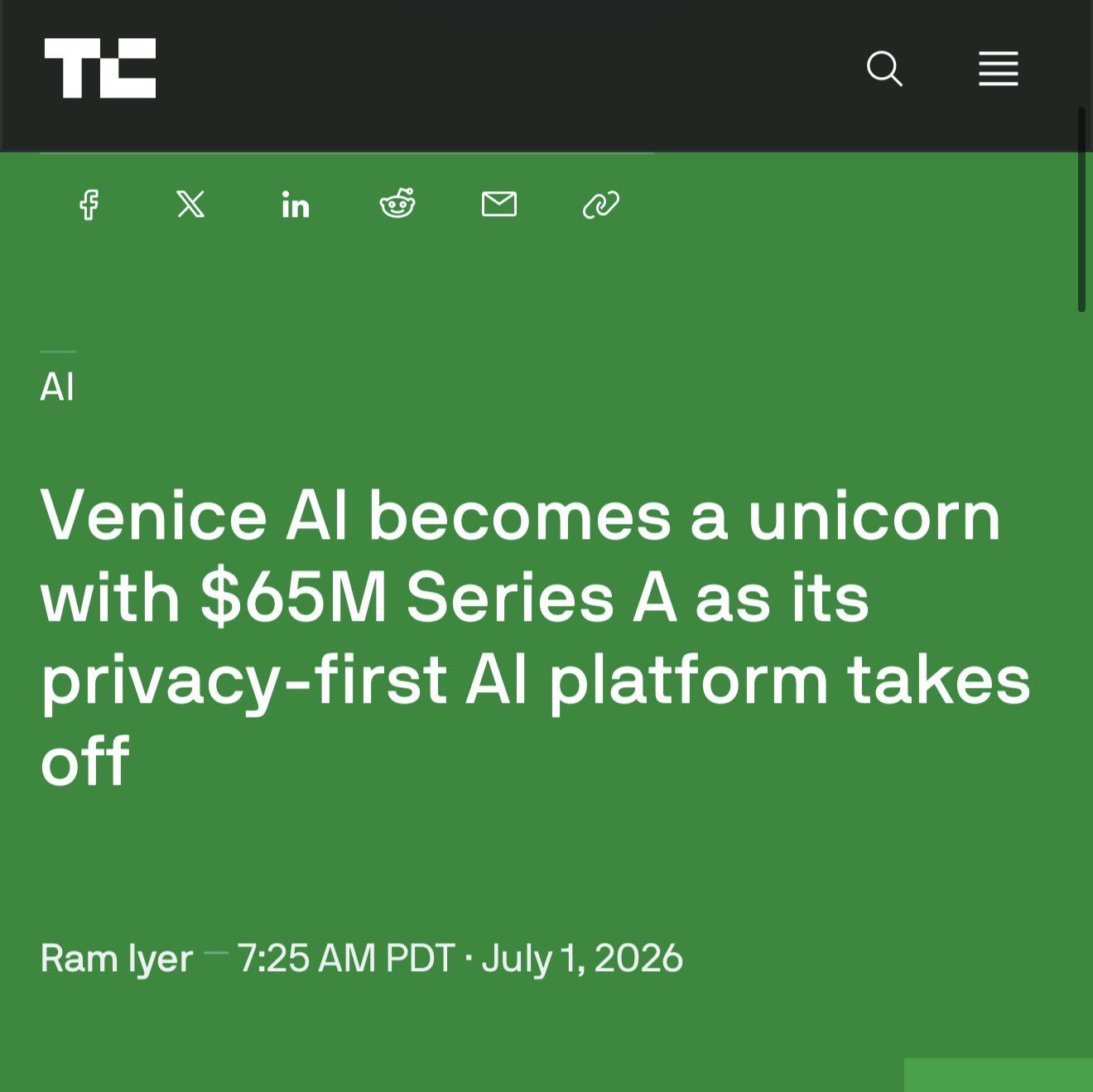
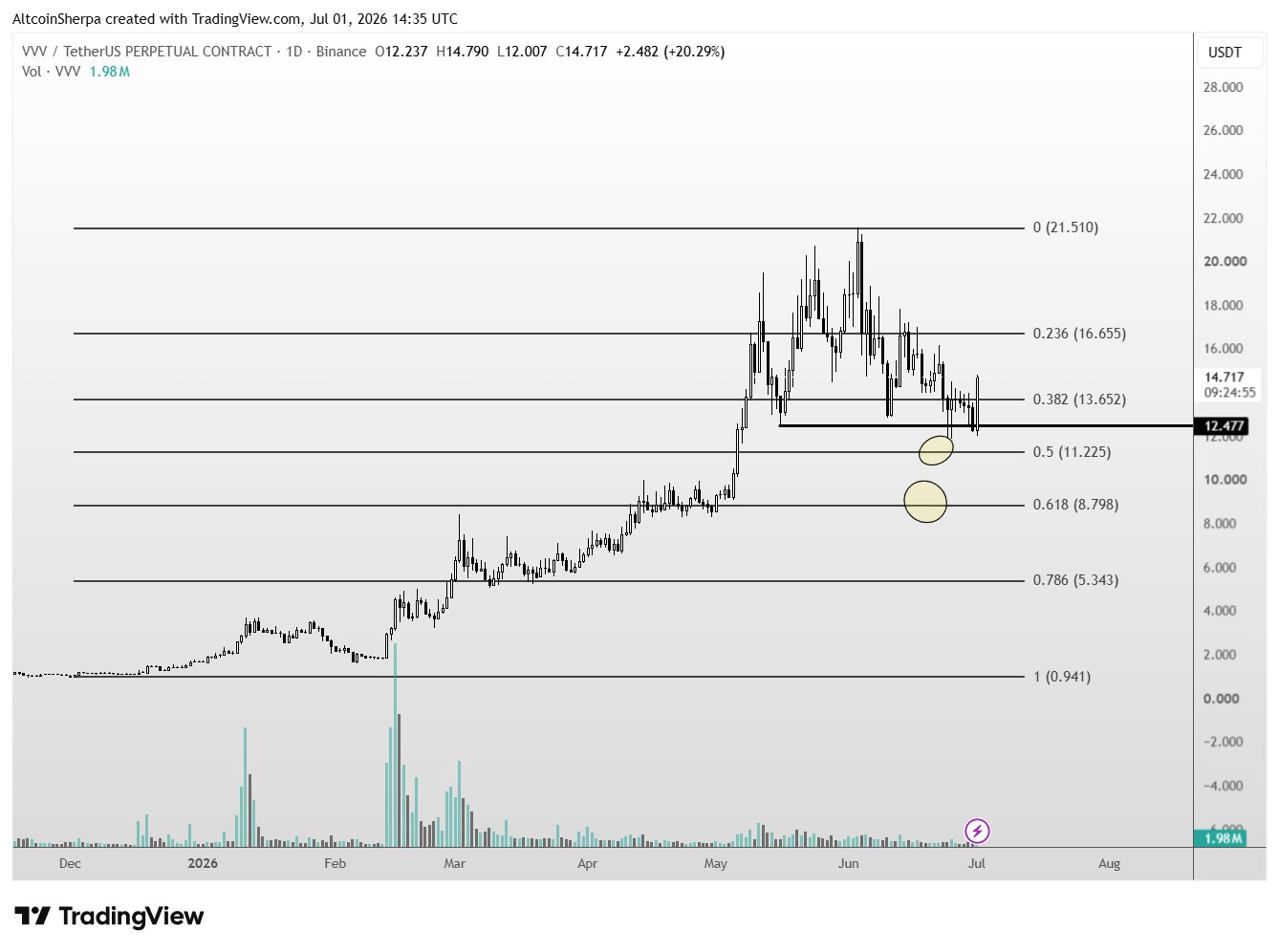
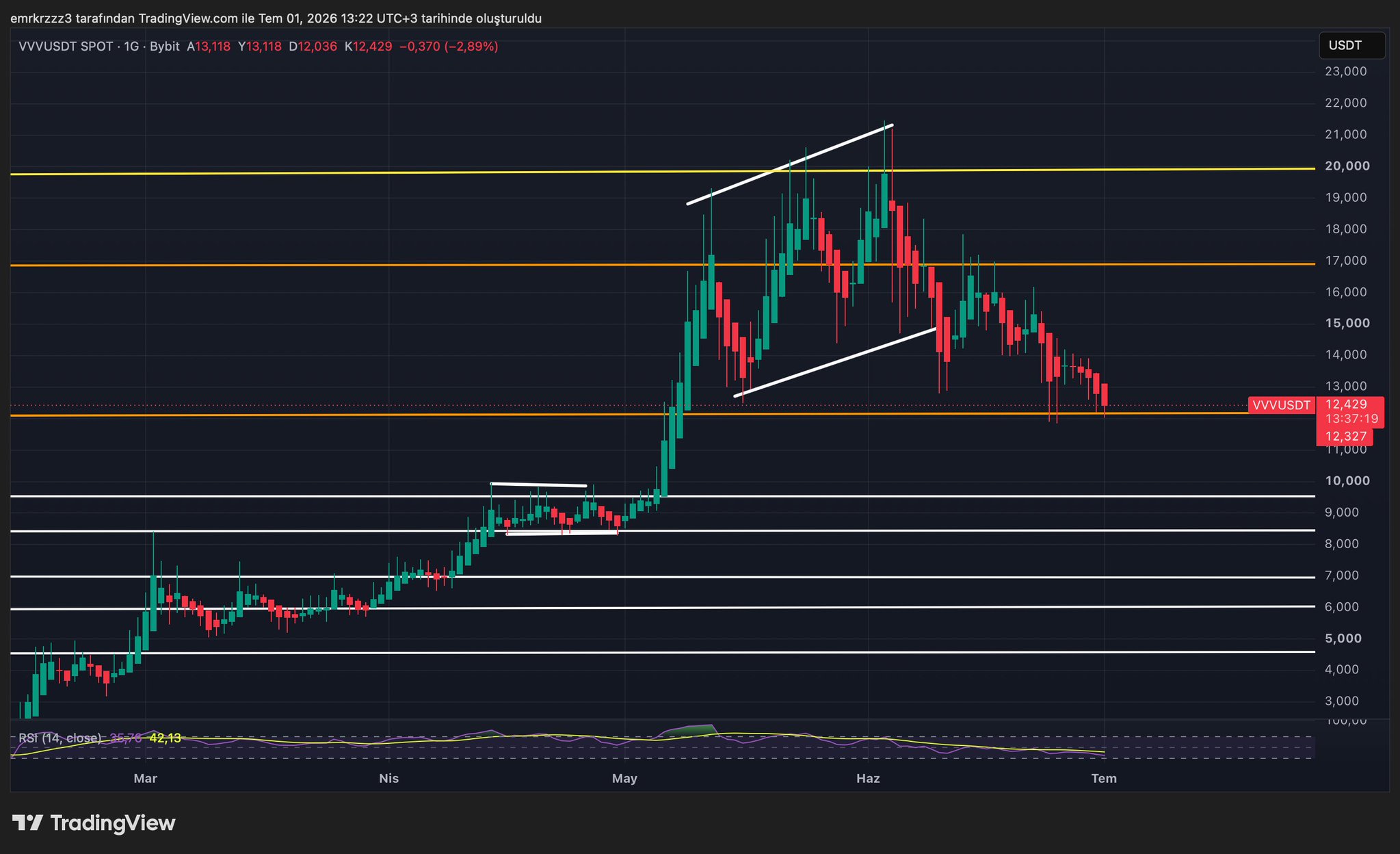
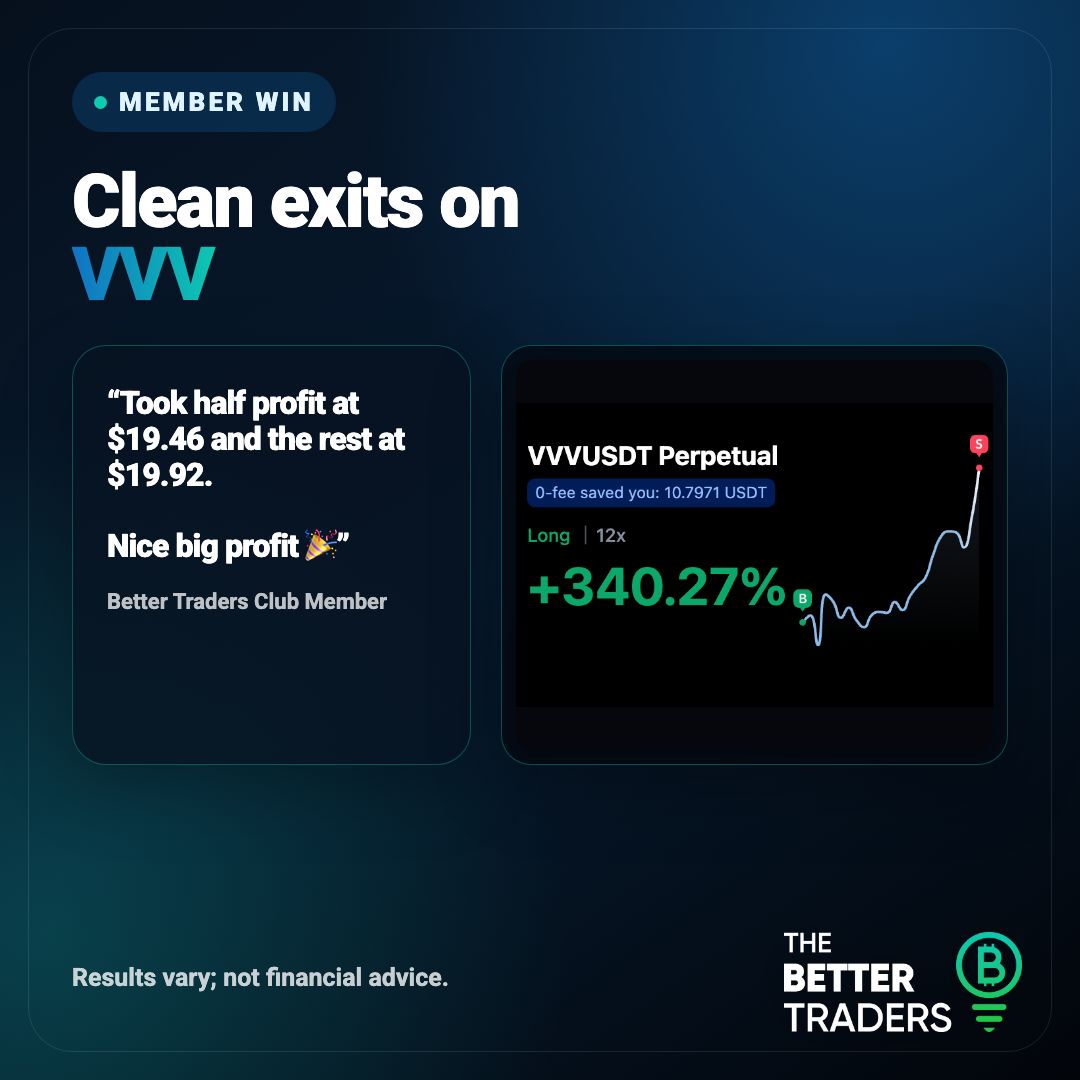
lot of people wanna understand if the venice raise is bullish or bearish for $vvv since it was an equity round.
my read: bullish structure, execution-dependent outcome.
the instruments are common. equity + token warrants are normal in crypto. what's uncommon is the sequencing.
most projects raise from vcs first, hand them discounted tokens, launch later, and retail ends up as exit liquidity at the unlocks.
venice did the opposite: product first users first token first community first profitability first then outside capital
that ordering matters more than people think.
venice raised $65m by selling equity, not by dumping treasury $vvv into the market. the company still holds 30m of 80m supply and has never sold a single token. that's the first bullish point.
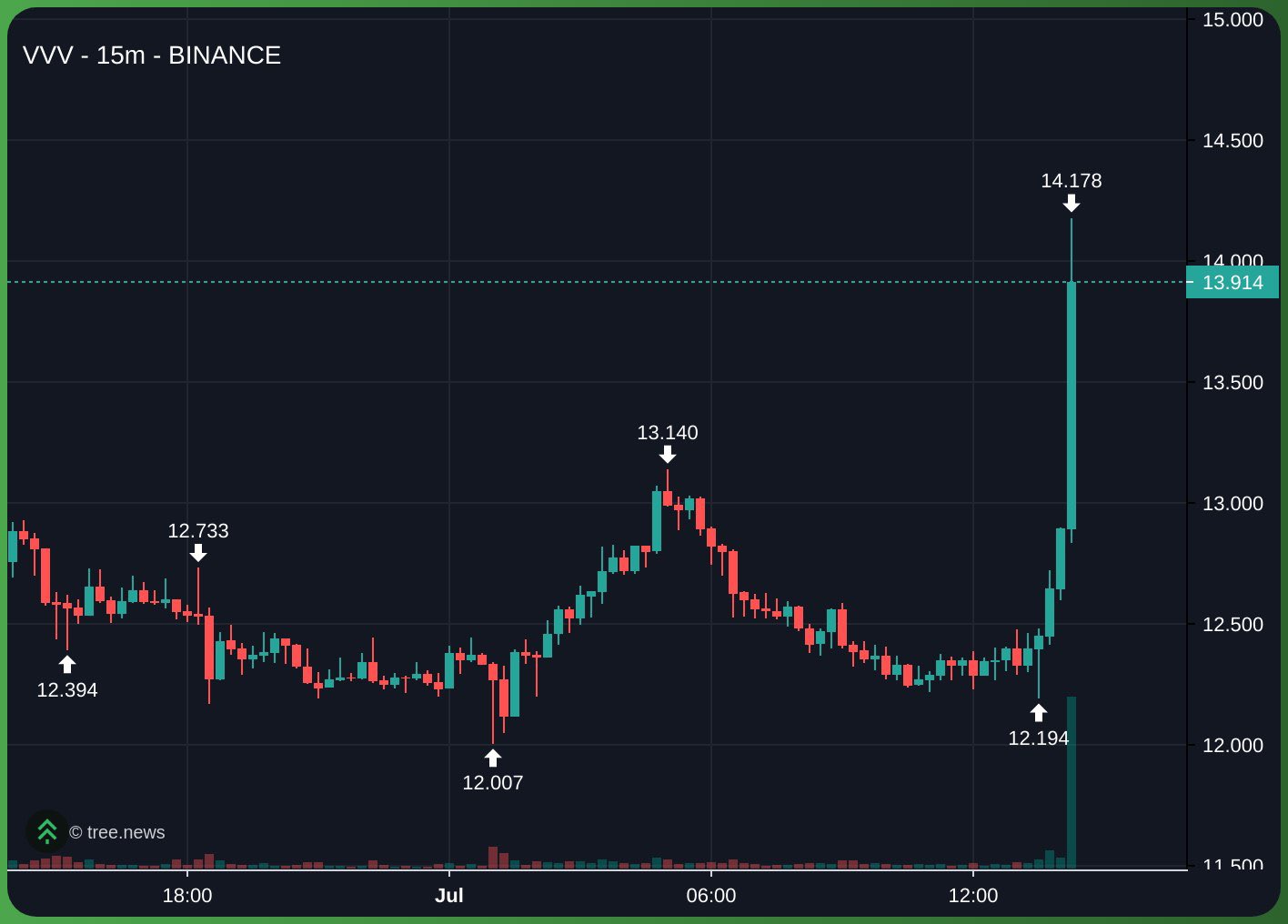
investors got 8.98% of the company, a 1.5m $vvv grant, and the right to buy 5m more over 8 years. but that 5m isn't free. they have to pay venice another ~$66.5m to exercise, roughly $13.30 per $vvv. $vvv was ~$13.71 at announcement. so it's near-market, not an insider discount.
tokens lock for 1 year, then unlock linearly over 3 more. so yes, there's overhang. max institutional exposure is 6.5m $vvv, about 8.1% of current supply. not nothing. but delayed, vested, and tied to alignment.
the real question is whether venice scales revenue and burns faster than that unlock. and this is where the growth story gets loud.
3m+ users and growing fast. profitable. token usage up 10x in the last 6 months, multimodal growing even faster.
now the burns, because that's the main thesis right now (the venice minds release might add additional utility and burns to token). venice already runs two channels, both on-chain:
programmatic sub burns — every new subscription auto-burns $vvv by tier ($2 pro, $5 pro+, $10 max). fires on signup, no human decision. discretionary revenue buybacks — venice funds a wallet with usdc and twaps it into $vvv over the month, then burns it.
the sub burns are already mechanical, but the big revenue burns are still discretionary. as venice gets more revenue predictability, they can make those programmatic too.
once revenue burns fire automatically, deflation stops being a decision and becomes a function of the business itself. burn scales 1:1 with growth, hands off.
and erik has been explicit about where this goes — grow revenue "so much that we can effectively buy and burn every last token." not talk. they've already burned ~$100m of unclaimed $vvv post-airdrop, bought back and burned the 1% sold at launch, and cut inflation from 14% at genesis to ~3.75%.
a chunk of the $65m goes into owned compute. their own datacenters, first time. owned compute = higher margins = bigger burns become feasible. so the raise is literally funding the deflation machine.
more users → more revenue → more buybacks → more burns → lower supply.
DIEM stacks another layer on top. staked $vvv mints DIEM, and each DIEM is $1/day of inference, forever. an ai agent with a wallet can autonomously stake $vvv and mint its own venice key, no human in the loop. its daily DIEM allocation refreshes every epoch, proportional to its stake. so the agent doesn't rent and leave. it locks $vvv and gets a self-renewing compute stipend. your customer becomes a permanent staker.
more agents → more DIEM demand → more $vvv locked → more revenue → more burns.
and the timing writes itself. two weeks ago the us government forced anthropic to pull its best model, fable 5, offline for everyone — first time export controls ever hit ai software instead of chips. worse, fable traffic carried mandatory 30-day data retention that overrode customers' existing zero-data-retention agreements. it came back today with a classifier that blocks certain prompts and quietly reroutes them.
a frontier lab's flagship, seized by government order and logging its users. that's the exact thing venice was built to be immune to. every headline like that is free marketing for the one platform that can't be pulled or censored.
so no, i don't read this as bearish just because vcs got equity / token exposure. venice avoided selling treasury, raised growth capital, brought in aligned investors, and now has the resources to scale compute, users, DIEM, and burns.
the caveat is real: if burns don't scale, the overhang matters. if burns do scale, this raise pours fuel on the flywheel.
tl;dr common instrument, uncommon sequence. bullish structure. real overhang. execution decides.
 Venice (VVV)
 VIKTOR FA_Analyst OnChain_Analyst B61.40K @thedefivillain
 Erik Voorhees D886.94K @ErikVoorhees25 3 3.10K Оригинал >Тренд VVV после выпускаНейтрально
 Kevin Simback 🍷 VC Tokenomics_Expert S18.08K @KSimback
 0xSammy Researcher Educator C89.13K @0xSammy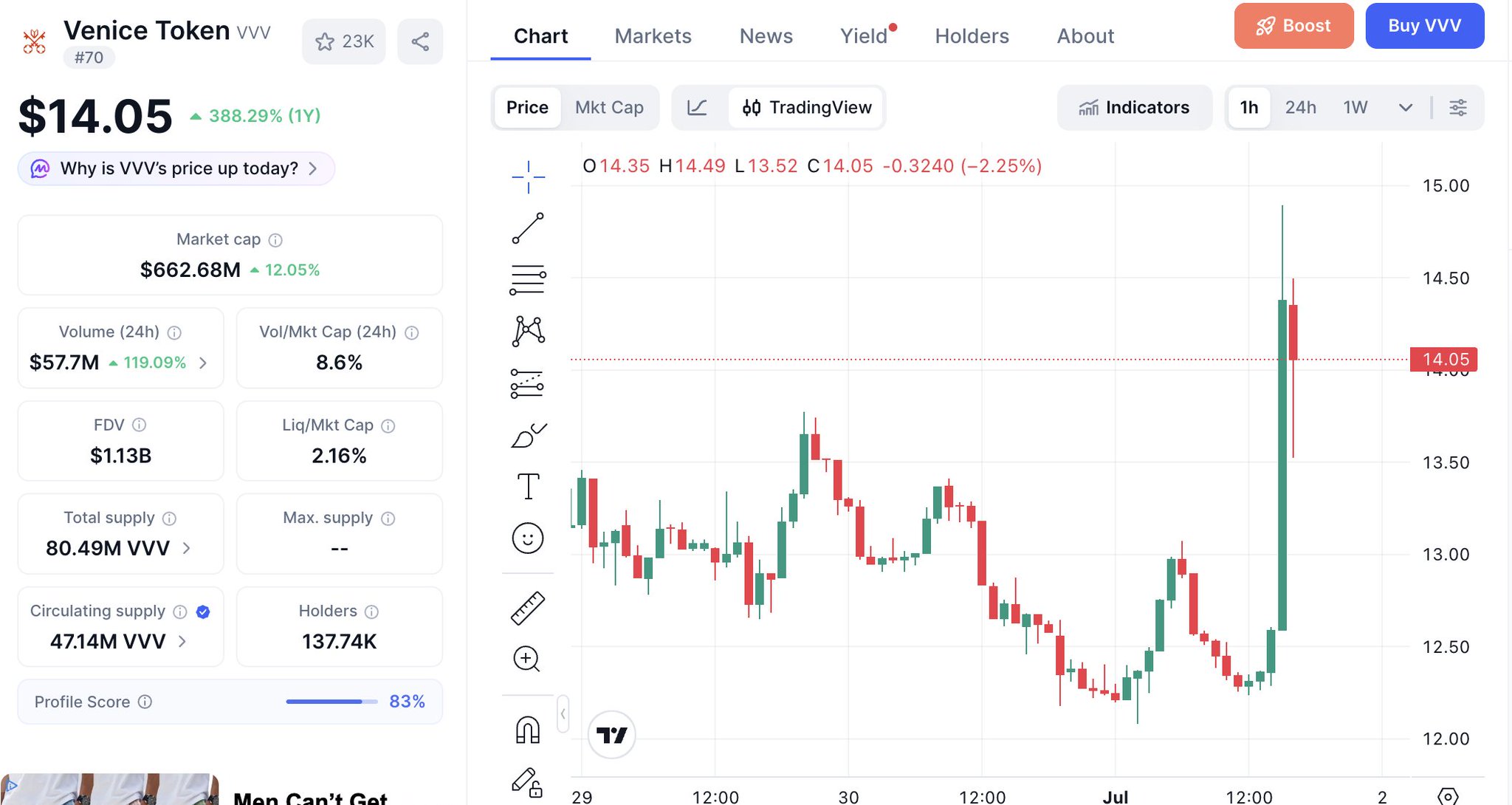
 nikshep FA_Analyst Tokenomics_Expert S8.95K @nikshepsvn
 Ansem TA_Analyst Derivatives_Expert C930.08K @blknoiz06
 Derivatives Monkey 衍生品猴子 (locked-in era) D4.74K @derivativemonky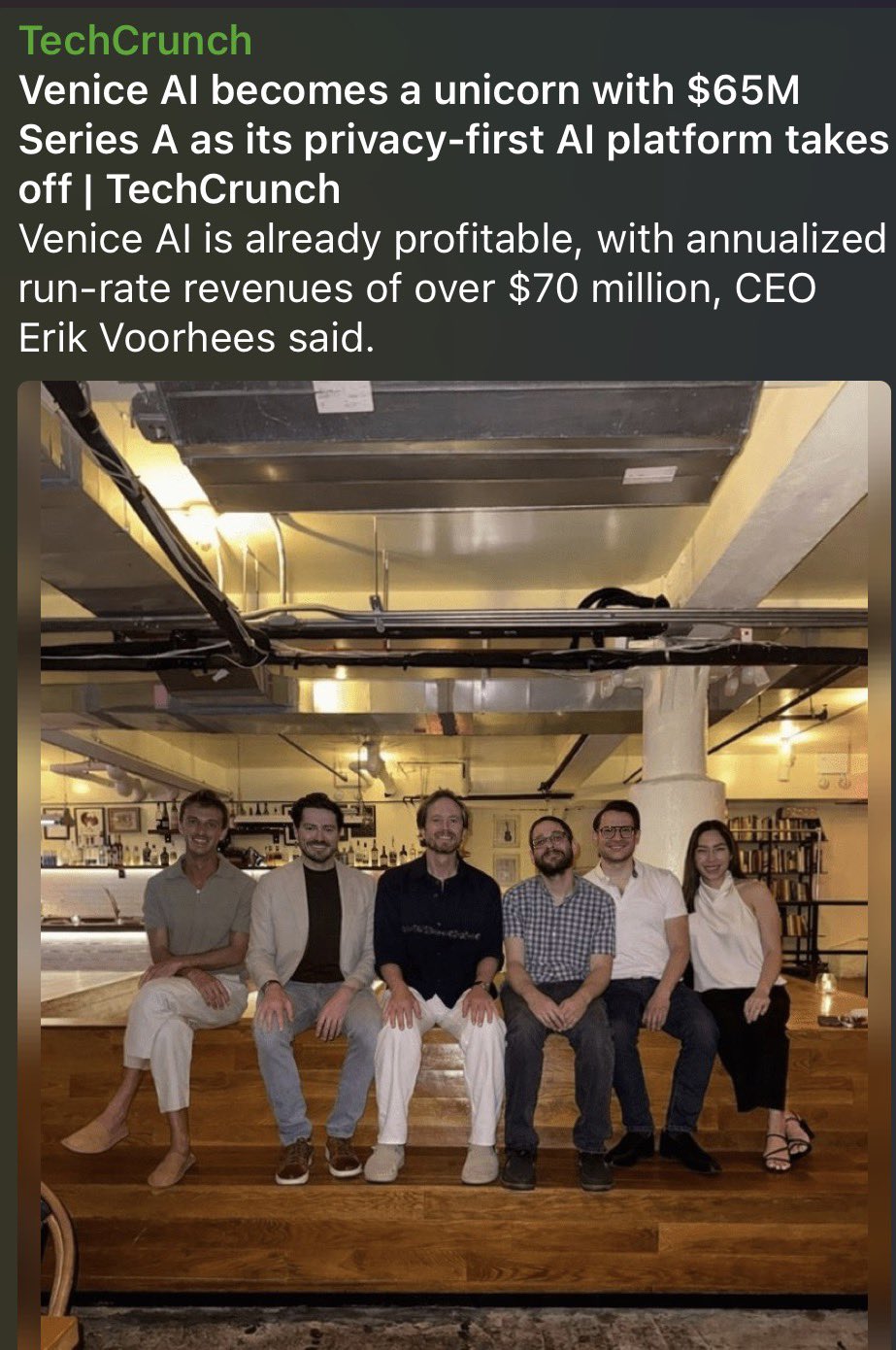
 785 411 100.14K Оригинал >Тренд VVV после выпускаЧрезвычайно бычий