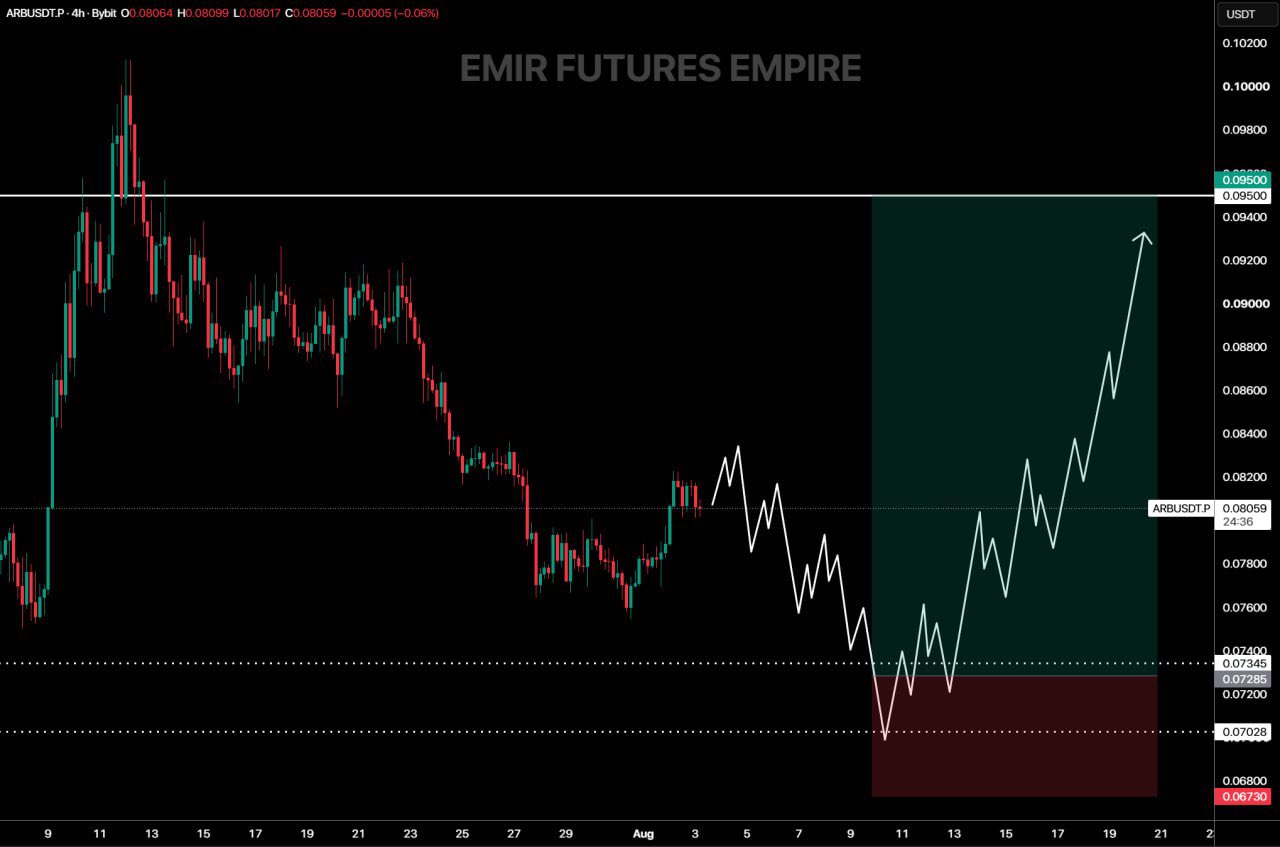
BREAKING: 10% of fees from Robinhood Chain and other Arbitrum L2s will be allocated to the Arbitrum ecosystem.
8% goes to the treasury, while 2% goes to development funding. https://t.co/WjKuAMOwRC
BREAKING: 10% of fees from Robinhood Chain and other Arbitrum L2s will be allocated to the Arbitrum ecosystem.
8% goes to the treasury, while 2% goes to development funding. https://t.co/WjKuAMOwRC
ARB is up 12% today. I went looking for what exactly the buyers are buying.
The trigger is real: Robinhood Chain went live on Arbitrum's stack, and under the Arbitrum Expansion Program every corporate chain like it pays 10% of sequencer profit - 8% to the DAO treasury, 2% to developers. First week of Robinhood Chain: 4 million transactions, about $57K in protocol revenue. Arbitrum's cut: roughly $5,700.
Scale that up generously. If Robinhood's chain grows 100x and ten more corporate chains join, the tithe becomes tens of millions a year, at zero acquisition cost. The franchise model is genuinely elegant: competitors become customers. This is the bull case, and it's a good one.
Now the part the chart doesn't show. None of that money reaches the token. No buyback, no burn, no dividend: ARB is a governance token, and after 60+ passed proposals the DAO has implemented exactly zero value-accrual mechanisms. Revenue lands in a treasury that ARB holders merely vote on. Meanwhile, by most estimates, a single monthly ARB unlock is worth more than a full year of net fee revenue.
So is the pump justified? You're not buying a share of the revenue. You're buying a vote on whether there will ever be one.
Arbitrum dynamic pricing brings resource-based gas fees to improve cost predictability, reduce fee spikes, and scale L2 throughput.
Read more🔽
https://t.co/LYVtK84aQv https://t.co/jaJ5q6Q2ZX
Check key reactions on "The Talk"🔽 https://t.co/J1xVdeXPMT