I thought $WLFI - @worldlibertyfi would look stronger once I started digging into the numbers.
Instead, the deeper I went, the more questions appeared.
On the surface, $WLFI still carries one of the largest brands in crypto today. Backed by a powerful narrative, supported by aggressive marketing, and consistently positioned at the center of attention, it has managed to attract a level of visibility that most DeFi protocols can only dream of.
But visibility and business quality are rarely the same thing.
Looking through the recent on-chain data, what stands out most is the gap between narrative strength and actual network activity.
Over the past several months, stablecoin active users have been trending down, P2P stablecoin activity has fallen sharply, and transfer volume continues to rely on occasional spikes rather than a consistent growth trajectory. The network is still processing transactions and moving capital, but the underlying user base does not appear to be expanding in a way that would justify the scale of expectations currently attached to the protocol.
That matters because sustainable financial networks are usually built on repeated usage, not temporary attention.
> A protocol can attract liquidity through incentives.
> A protocol can attract capital through marketing.
> A protocol can even generate impressive headlines for a period of time.
Eventually, however, the market starts asking a much simpler question: are people using the product because it solves a real problem, or because the incentives remain attractive enough to stay?
So far, I don't think $WLFI has provided a convincing answer.
The revenue figures also deserve a closer look. While headline numbers appear relatively strong, activity across the network has been weakening at the same time, making it difficult to determine how much of that revenue reflects durable demand versus temporary capital flows moving through the system. Revenue without user growth is already a concern. Revenue while user activity declines raises an even bigger one.
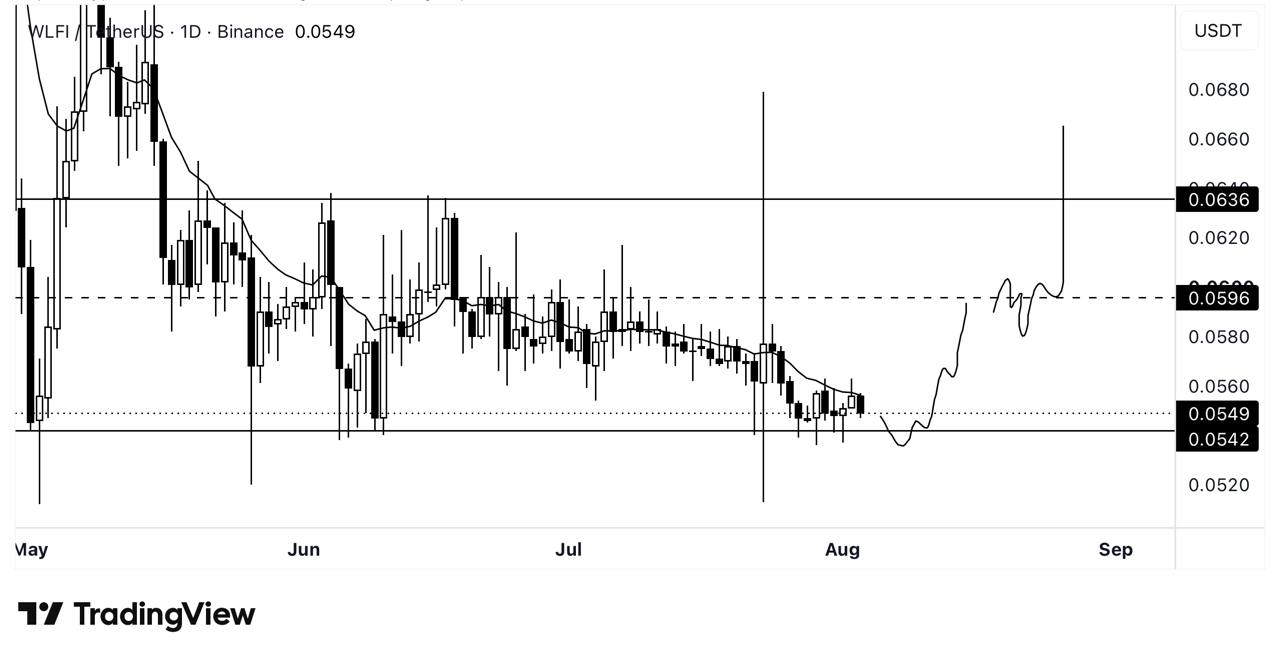
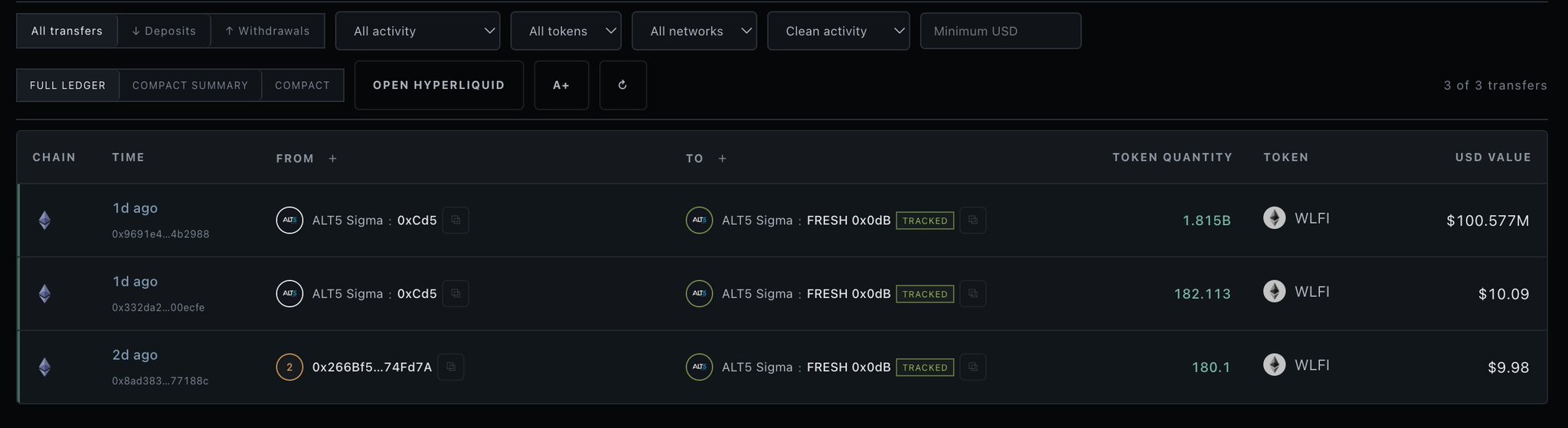
The token structure adds another layer of uncertainty. Roughly one-third of supply is circulating today while a significant amount remains outside the market. At a valuation already measured in billions of dollars, future execution has very little room for error, especially when user adoption and economic activity are struggling to show the same level of momentum.
For me, the biggest challenge facing $WLFI isn't technology.
It isn't even competition >> It's credibility.
The project has spent a long time fighting questions around transparency, token distribution, treasury activity, collateralized borrowing structures and overall sustainability. Whether every criticism is fair or not almost becomes secondary at some point. Financial networks ultimately run on trust, and trust tends to disappear much faster than it is rebuilt.
Framework Rating: 1.8/5 ⭐
Technology (2/5) | Product-Market Fit (1.5/5) | User Activity (1/5) | Revenue Quality (1.5/5) | Tokenomics (1/5) | Moat (1.5/5)
At this stage, $WLFI feels less like a protocol benefiting from strong network effects and more like a protocol benefiting from strong attention. Those are two very different things, and history has shown that attention alone rarely compounds into durable long-term value.