 Sky (SKY)
- 59社交熱度指數(SSI)-19.73% (24h)
- #21市場預警排名(MPR)+3
- 124小時社交提及量-50.00% (24h)
- 100%24小時KOL看好比例1位活躍KOL
- 概要SKY up slightly 0.02%, accumulation evident but social heat down about 20%
- 看漲訊號
- Clear accumulation
- Correction eliminating bullish imbalance
- Upward price signal
- POI may accelerate
- Slight price increase
- 看跌訊號
- Social heat index down about 20%
- Low interaction volume
- Increase only 0.02%
- Weak momentum
- Short-term wait-and-see sentiment
社交熱度指數(SSI)
- 總體資料59SSI
- 社交熱度趨勢(7D)價格(7D)情緒分佈極度看漲 (100%)社交熱度洞察SKY social heat is moderate (59/100, -20%) due to a sharp drop in KOL attention (-83%) and decreased activity (-30%); although sentiment is positive (+9%), it is still driven by a slight 0.02% price rise.
市場預警排名(MPR)
- 預警解讀SKY warning ranking rose to #21 (+3), sentiment polarization reached 100/100 (+100%) highlighted; although social anomaly dropped to 66 (-34%), it corresponds with the slight price rise and wait-and-see sentiment.
相關推文
 6epuk 🥃 TA_Analyst Trader B1.44K @6epukk
$SKY 💎 Accumulation is clear inside the current range. The recent correction rebalanced the bullish inefficiency, paving the way for a strong continuation. Looking ready to accelerate higher from this POI. 🚀 https://t.co/S2kzYOZzhp
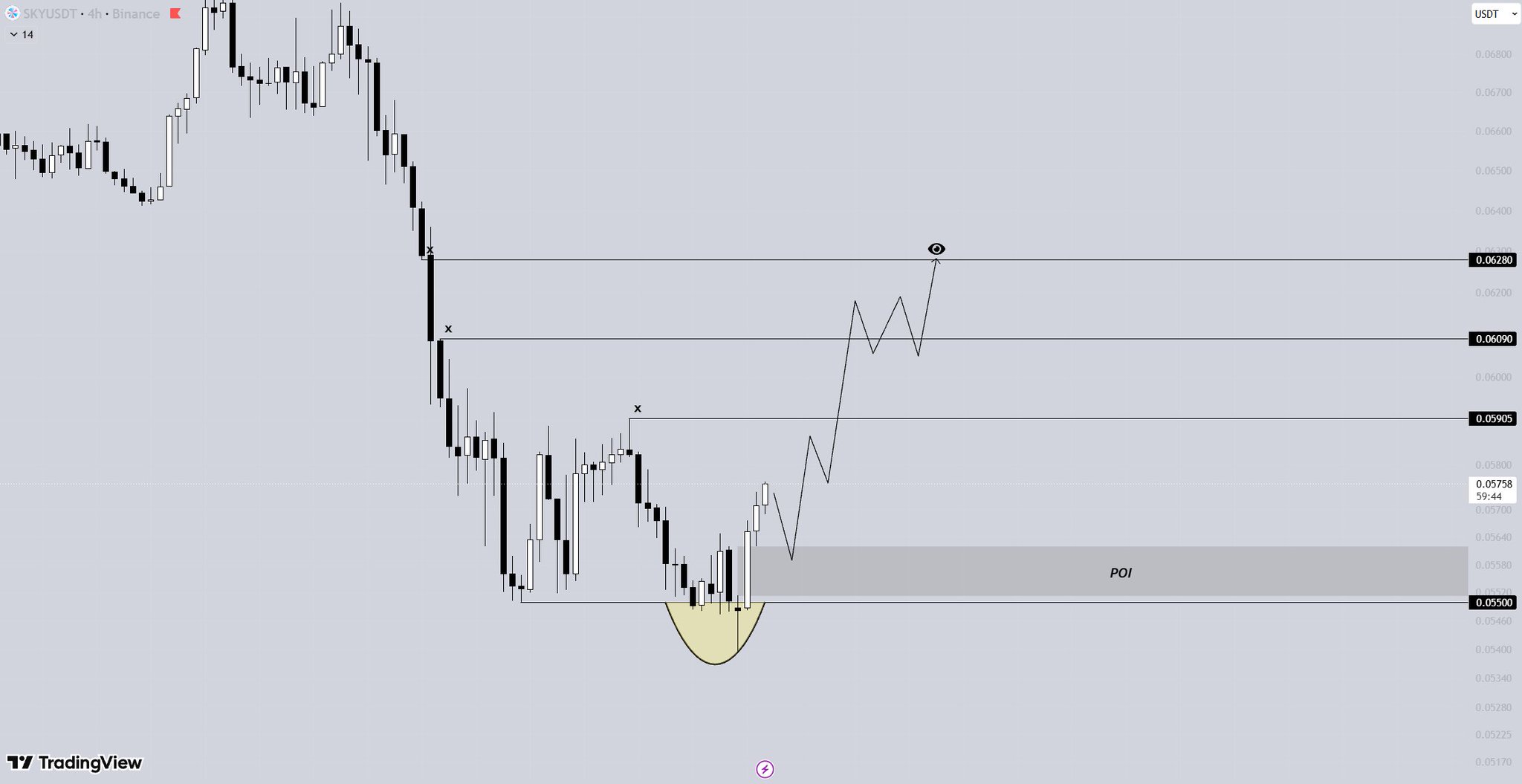 2 0 51 閱讀原文 >釋出後SKY走勢極度看漲SKY displays clear accumulation, expected to accelerate upward from the POI area, target 0.06280.
 jfab.eth FA_Analyst OnChain_Analyst S9.26K @josefabregab
Sky had its best quarter ever on Q1 2026. It's now growing its solvency reserve to $150M, recording a 30-day growth of ~$10M. At $125M, $SKY buybacks and staking rewards start to scale back up. That'll be in ~5 months at the current rate. It's a great time to study @SkyMoney.
jfab.eth FA_Analyst OnChain_Analyst S9.26K @josefabregabhttps://t.co/8ht2mGbo16
9 0 699 閱讀原文 >釋出後SKY走勢看漲SKY posted its best performance this season, its reserve fund rose to $150M, and buybacks are set to rebound. Cilinix Technical_Analysis B5.46K @cilinixcrypto
Give me one good reason why $SKY is not criminally undervalued at the moment? Market cap: $1.3 billion TVL: $5.94 billion Revenue: $250 million 43% of supply staked/locked Treasury: $114 million The chart looks horrible but fundamentally you HAVE TO keep an eye on this
5 5 464 閱讀原文 >釋出後SKY走勢看漲SKY's market cap is only $1.3B, TVL $5.94B, significantly undervalued, worth watching DeFi Warhol DeFi_Expert OnChain_Analyst B51.28K @Defi_WarholDeFi Warhol DeFi_Expert OnChain_Analyst B51.28K @Defi_Warhol
Protocols tend to explain their risk model after something fails. @sparkdotfi publishing its full risk playbook now feels like a pretty confident move, especially while the market is still dealing with exploits and shutdowns. Basically, when a loan goes bad and someone has to cover it, depositors are usually the first ones to take a loss. Spark made it so they're the last in line during a scenario like this. It's a meaningful design choice for their entire community. Let's see how they handle these worst-case scenarios in-depth ↓ 1/ Loss absorption model Losses are covered in this order before depositors are affected: → Spark's own reserves → Outside investors → Protocol's savings → A shared safety fund across the wider Sky Ecosystem → Newly minted SKY (as a final backstop) For user deposits to take a hit, all of those protection layers would have to be wiped out first, and that's highly unlikely. Spark is also adding more protection for depositors. @SkyEcosystem recently put $150M into a dedicated
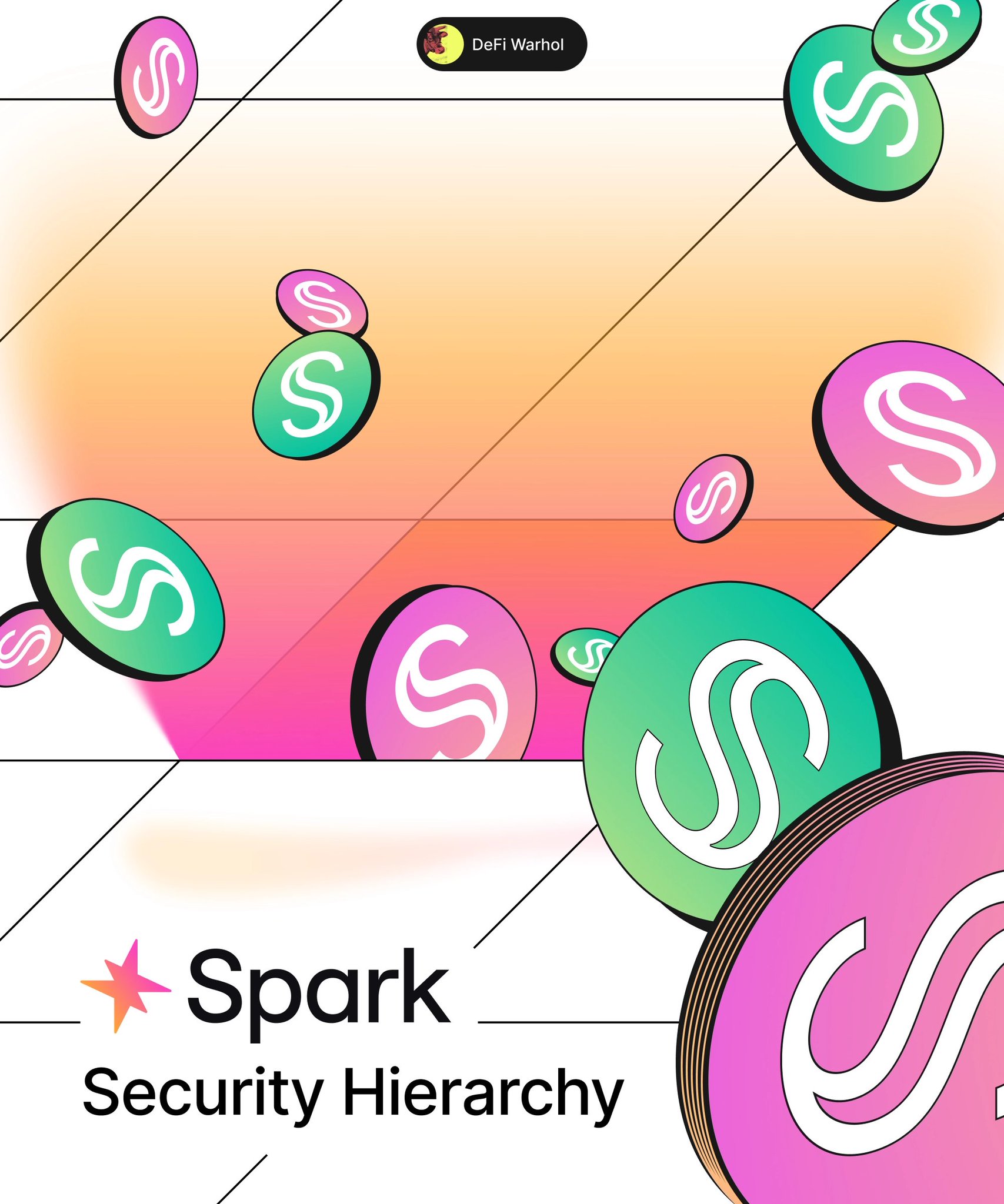 115 14 7.72K 閱讀原文 >釋出後SKY走勢極度看漲Spark protocol, through a multi-layer protection mechanism, significantly enhances depositor fund safety, even introducing SKY as the ultimate safeguard.
- DeFi Warhol DeFi_Expert OnChain_Analyst B51.28K @Defi_Warhol
Protocols tend to explain their risk model after something fails. @sparkdotfi publishing its full risk playbook now feels like a pretty confident move, especially while the market is still dealing with exploits and shutdowns. Basically, when a loan goes bad and someone has to cover it, depositors are usually the first ones to take a loss. Spark made it so they're the last in line during a scenario like this. It's a meaningful design choice for their entire community. Let's see how they handle these worst-case scenarios in-depth ↓ 1/ Loss absorption model Losses are covered in this order before depositors are affected: → Spark's own reserves → Outside investors → Protocol's savings → A shared safety fund across the wider Sky Ecosystem → Newly minted SKY (as a final backstop) For user deposits to take a hit, all of those protection layers would have to be wiped out first, and that's highly unlikely. Spark is also adding more protection for depositors. @SkyEcosystem recently put $150M into a dedicated
 Spark D69.70K @sparkdotfi
Inside Spark’s loss absorption & risk frameworks. Spark’s security architecture is designed around: • bounded capital movement • explicit loss absorption layers • coordinated liquidity management • multi-layered oracle systems • constrained automation under governance-defined limits This deep dive breaks down how Spark structures risk, liquidity, and loss absorption across Spark Savings, SparkLend, and the Spark Liquidity Layer before losses propagate toward user deposits. Including: • updated loss absorption waterfall • Prime Agent risk capital • Genesis Capital Backstop • oracle and killswitch architecture • programmatic liquidity coordination • constrained allocation design under stress Security by design. Resilience by architecture. See what sits between losses and user deposits: https://t.co/JQrfSxMB4z
115 14 7.72K 閱讀原文 >釋出後SKY走勢極度看漲Spark protocol, through a multi-layer protection mechanism, significantly enhances depositor fund safety, even introducing SKY as the ultimate safeguard.  Cyriptoman4 TA_Analyst Trader B27.82K @Cyriptoman4
#SKY as expected the pullback came. 0,070 $ was the level I was watching. It fell below support. I will keep an eye on it for a while longer. https://t.co/BigBuzOHPm
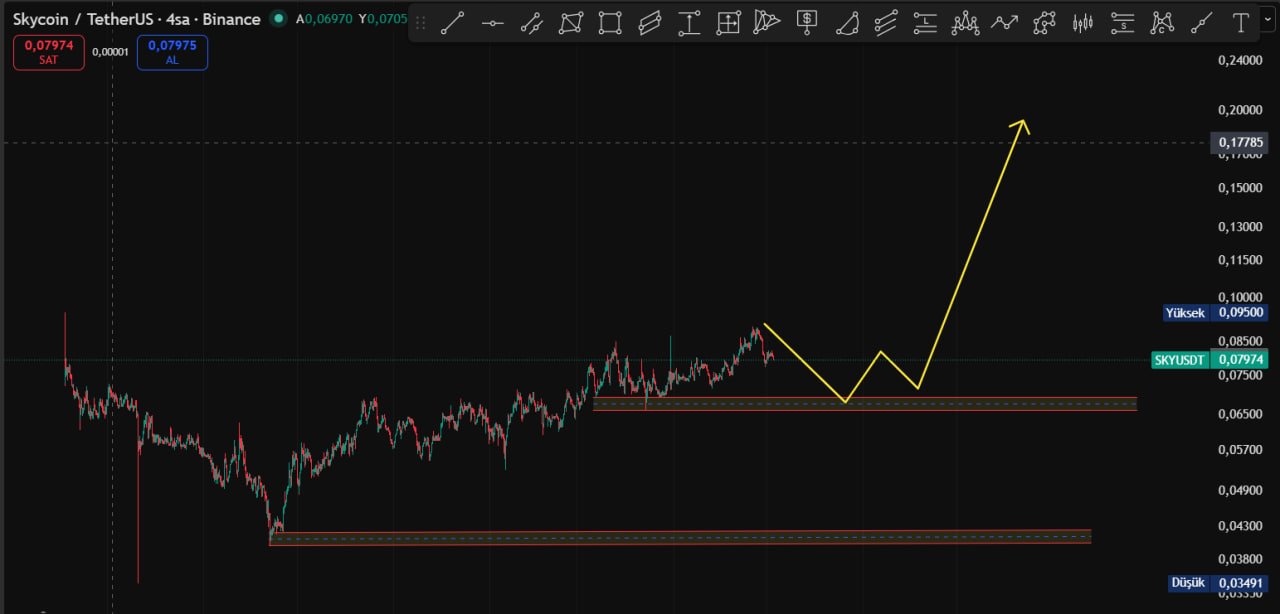
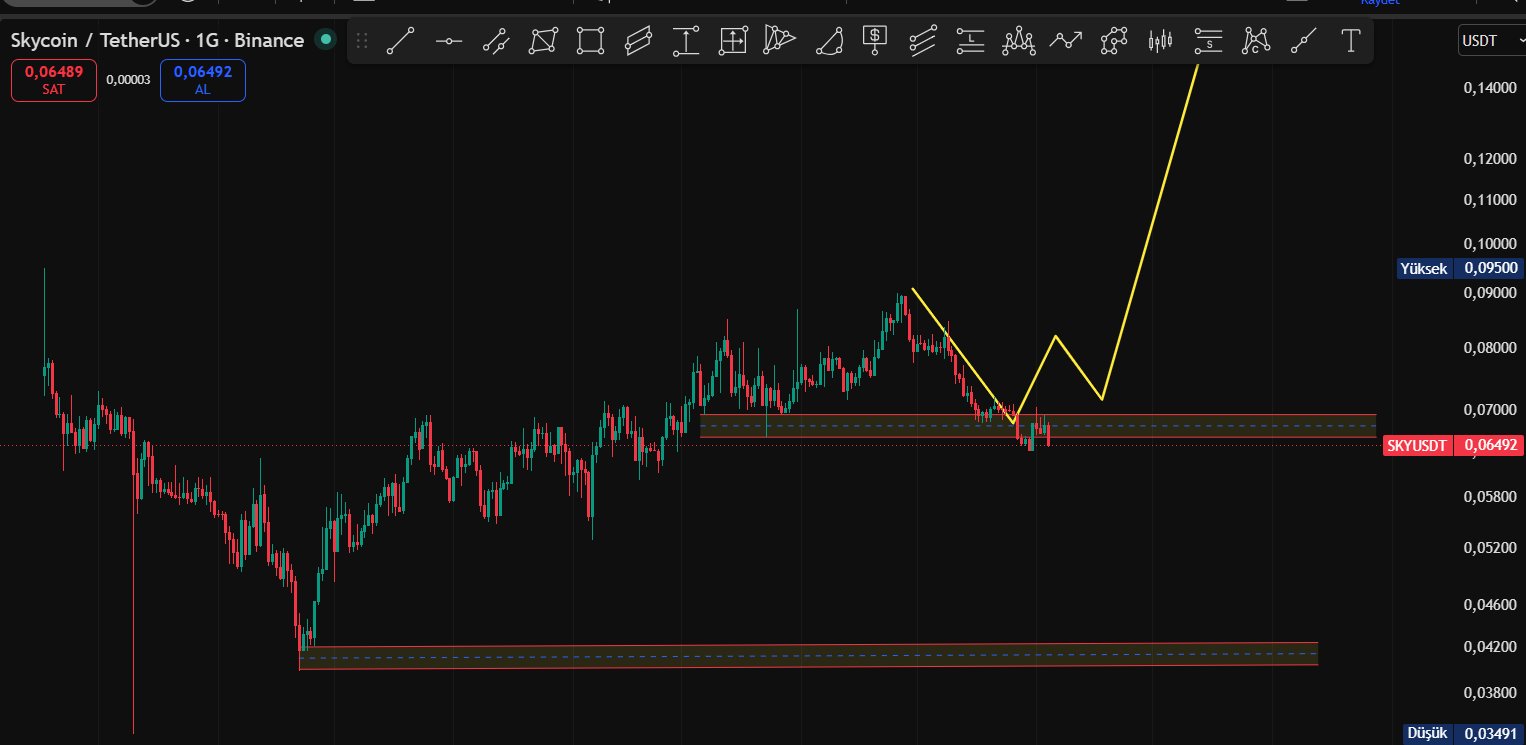 62 1 1.46K 閱讀原文 >釋出後SKY走勢看漲SKY pulled back below 0.070, and the author expects a significant rally after short-term consolidation.
 slappjakke FA_Analyst Tokenomics_Expert C60.94K @Slappjakkeslappjakke FA_Analyst Tokenomics_Expert C60.94K @Slappjakke
When reviewing a DeFi protocol security should always be in mind. Moneymarkets are spending millions on audits, and have Risk Teams monitoring and reviewing collateral assets, but do you know who's first in line to absorb losses if funds are actually lost in the protocols you deploy your assets into? @sparkdotfi SparkLend breaks down the waterfall of loss absorption through 5 layers Layer 1: Prime Agent Risk Capital Spark eats its own losses first through internal treasury capital, then pulls in external junior money, and only after that touches the senior layer Layer 2: Surplus Buffer Protocol fees and liquidation revenue pile up here as a system-wide shock absorber Layer 3: Genesis Capital Backstop New layer (pending governance) where excess capital sitting idle across the Sky ecosystem gets tapped before SKY dilution kicks in Layer 4: Sky Token Backstop If everything above is depleted, the protocol mints SKY to recapitalize. Minting SKY is governance-controlled and designed for genuine tail scena
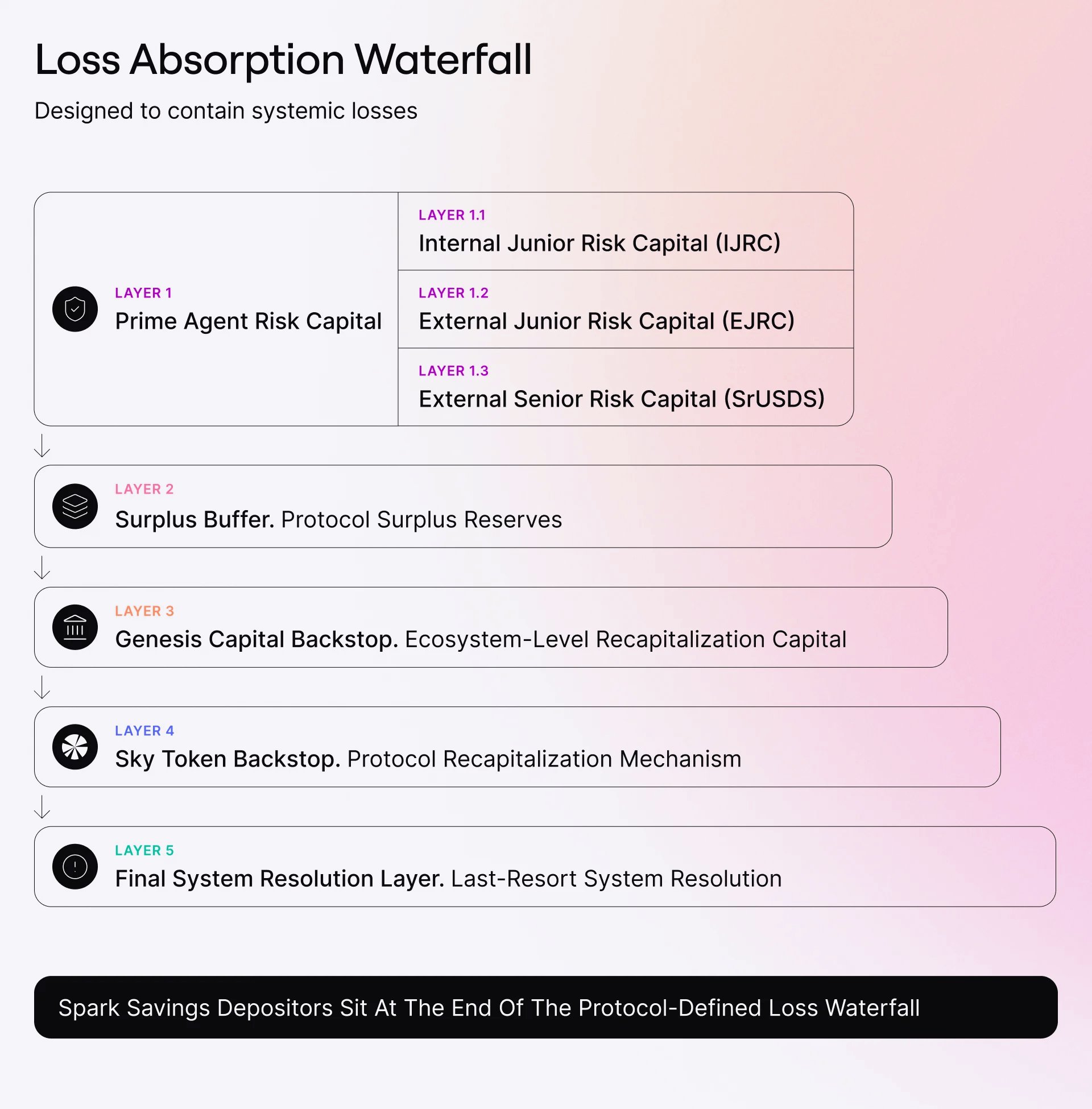 49 12 1.85K 閱讀原文 >釋出後SKY走勢看漲SparkLend enhances protocol security and protects depositor funds through a five-layer loss absorption mechanism.
 Eli5DeFi DeFi_Expert OnChain_Analyst C46.25K @Eli5defiEli5DeFi DeFi_Expert OnChain_Analyst C46.25K @Eli5defi
Spark just published one of the clearer security frameworks in scaled DeFi. Not through vague “security” claims, but through a proper loss absorption waterfall. In simple terms: It explains how losses are absorbed before they reach user deposits across Spark Savings, SparkLend, and the Spark Liquidity Layer. That matters more after the latest wave of DeFi exploits. The recent KelpDAO rsETH exploit showed how one weak cross-chain component can spread stress across lending markets, trigger emergency freezes, and turn “isolated risk” into ecosystem-wide liquidity pressure. This is exactly why explicit risk design matters. Spark’s core idea is bounded capital movement → Explicit loss hierarchy → Programmatic liquidity coordination → Multi-oracle safeguards → Governance-constrained automation. In plain english: → Losses flow in order: prime agent capital, surplus buffer, genesis backstop, sky backstop, then final resolution → Only approved collateral; depegs can trigger emergency shutdown via special pri
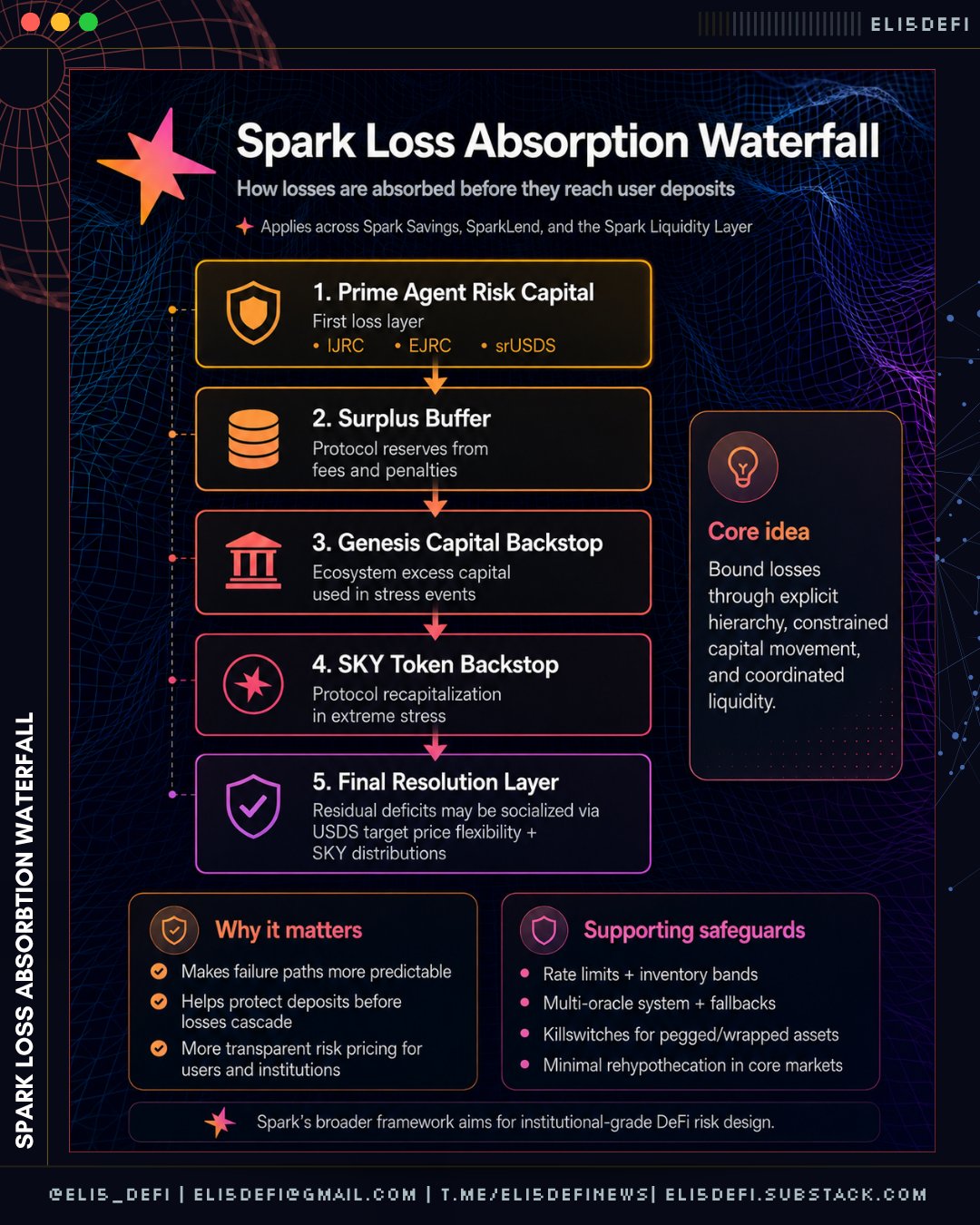 38 19 2.96K 閱讀原文 >釋出後SKY走勢看漲Spark has released a clear loss absorption framework aimed at protecting user deposits from DeFi risk.
- Eli5DeFi DeFi_Expert OnChain_Analyst C46.25K @Eli5defiEli5DeFi DeFi_Expert OnChain_Analyst C46.25K @Eli5defi
Spark just published one of the clearer security frameworks in scaled DeFi. Not through vague “security” claims, but through a proper loss absorption waterfall. In simple terms: It explains how losses are absorbed before they reach user deposits across Spark Savings, SparkLend, and the Spark Liquidity Layer. That matters more after the latest wave of DeFi exploits. The recent KelpDAO rsETH exploit showed how one weak cross-chain component can spread stress across lending markets, trigger emergency freezes, and turn “isolated risk” into ecosystem-wide liquidity pressure. This is exactly why explicit risk design matters. Spark’s core idea is bounded capital movement → Explicit loss hierarchy → Programmatic liquidity coordination → Multi-oracle safeguards → Governance-constrained automation. In plain english: → Losses flow in order: prime agent capital, surplus buffer, genesis backstop, sky backstop, then final resolution → Only approved collateral; depegs can trigger emergency shutdown via special pri
38 19 2.96K 閱讀原文 >釋出後SKY走勢極度看漲Spark releases a clear DeFi security framework to protect user funds. - slappjakke FA_Analyst Tokenomics_Expert C60.94K @Slappjakke
When reviewing a DeFi protocol security should always be in mind. Moneymarkets are spending millions on audits, and have Risk Teams monitoring and reviewing collateral assets, but do you know who's first in line to absorb losses if funds are actually lost in the protocols you deploy your assets into? @sparkdotfi SparkLend breaks down the waterfall of loss absorption through 5 layers Layer 1: Prime Agent Risk Capital Spark eats its own losses first through internal treasury capital, then pulls in external junior money, and only after that touches the senior layer Layer 2: Surplus Buffer Protocol fees and liquidation revenue pile up here as a system-wide shock absorber Layer 3: Genesis Capital Backstop New layer (pending governance) where excess capital sitting idle across the Sky ecosystem gets tapped before SKY dilution kicks in Layer 4: Sky Token Backstop If everything above is depleted, the protocol mints SKY to recapitalize. Minting SKY is governance-controlled and designed for genuine tail scena
49 12 1.85K 閱讀原文 >釋出後SKY走勢極度看漲SparkLend enhances protocol security and protects depositor funds through a five-layer loss absorption mechanism.