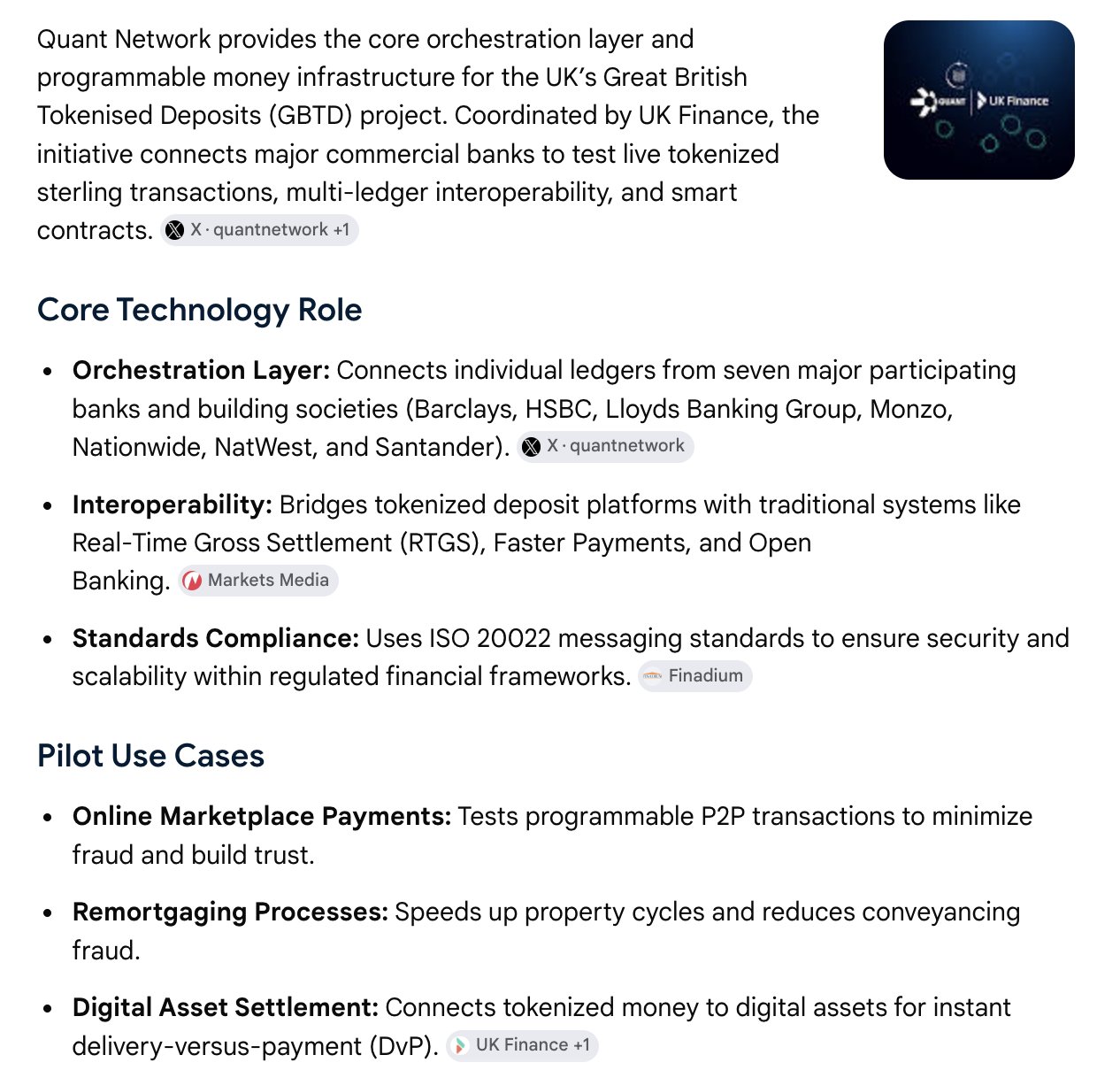
🚨 $QNT holders, seven major UK banks are testing programmable bank money on infrastructure provided by Quant.
Read those names again:
Barclays. HSBC. Lloyds Banking Group. NatWest. Santander. Monzo. Nationwide.
Led by UK Finance, the Great British Tokenised Deposit initiative is delivering live pilot transactions involving digital versions of normal sterling bank deposits.
The easiest way to understand it is this:
Your money remains bank money.
But instead of sending it blindly and trusting every person in the process, rules can be attached before it moves.
Payment releases when the buyer receives the product.
Mortgage funds transfer when every document and condition is ready.
Money and a tokenised asset settle together, so neither participant is left waiting and exposed.
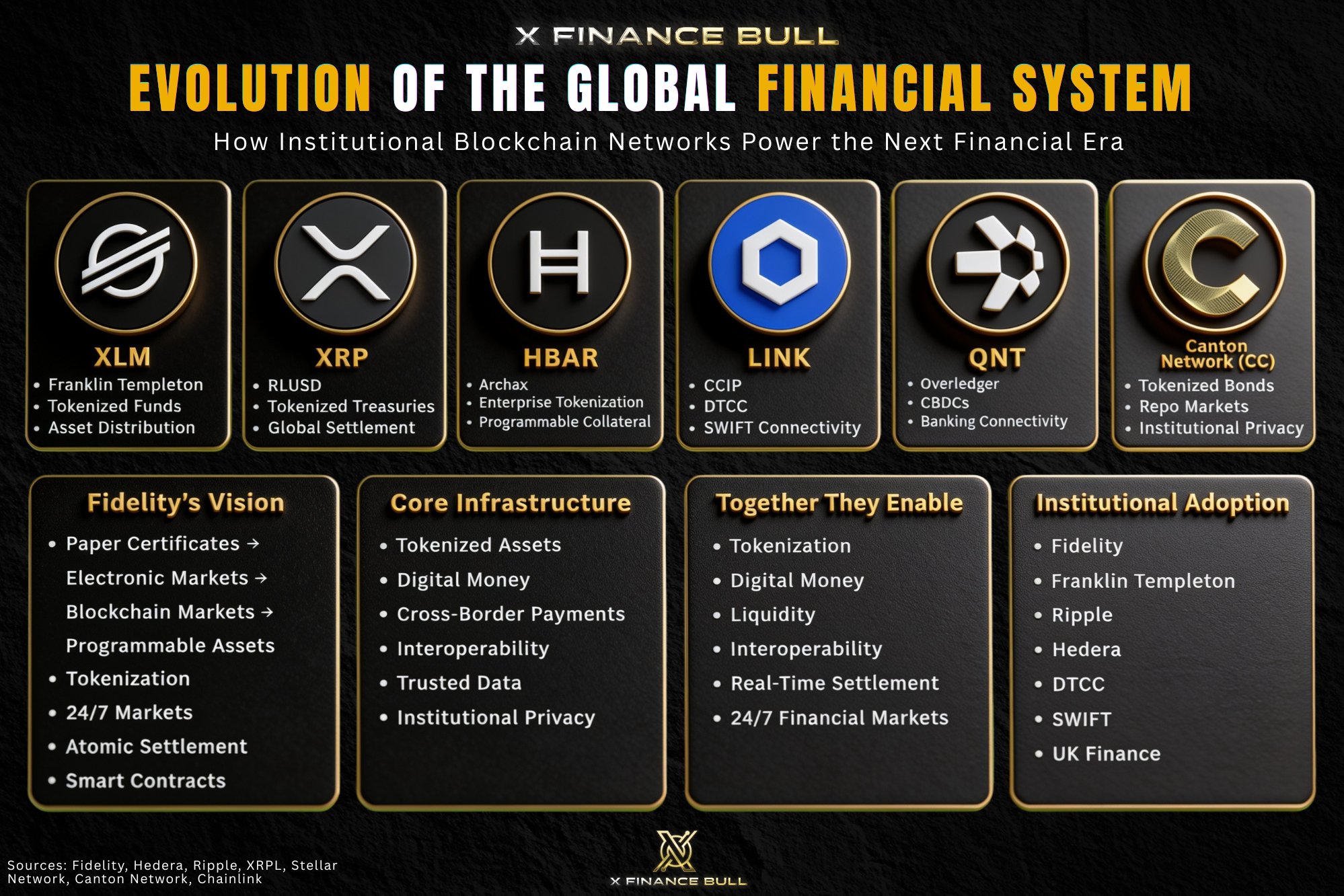
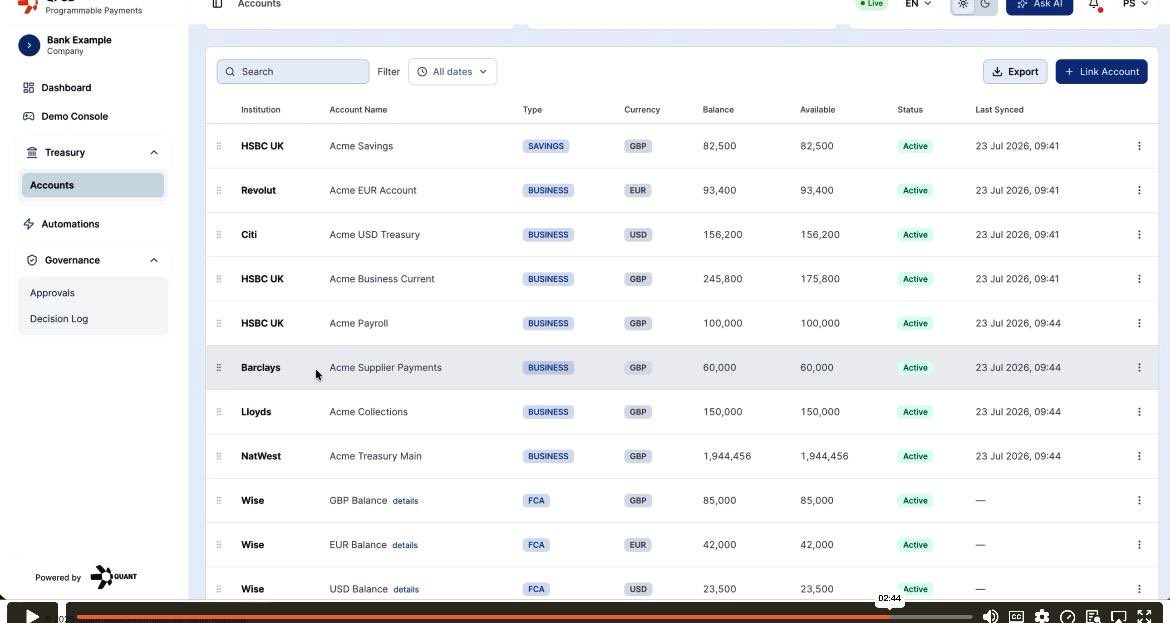
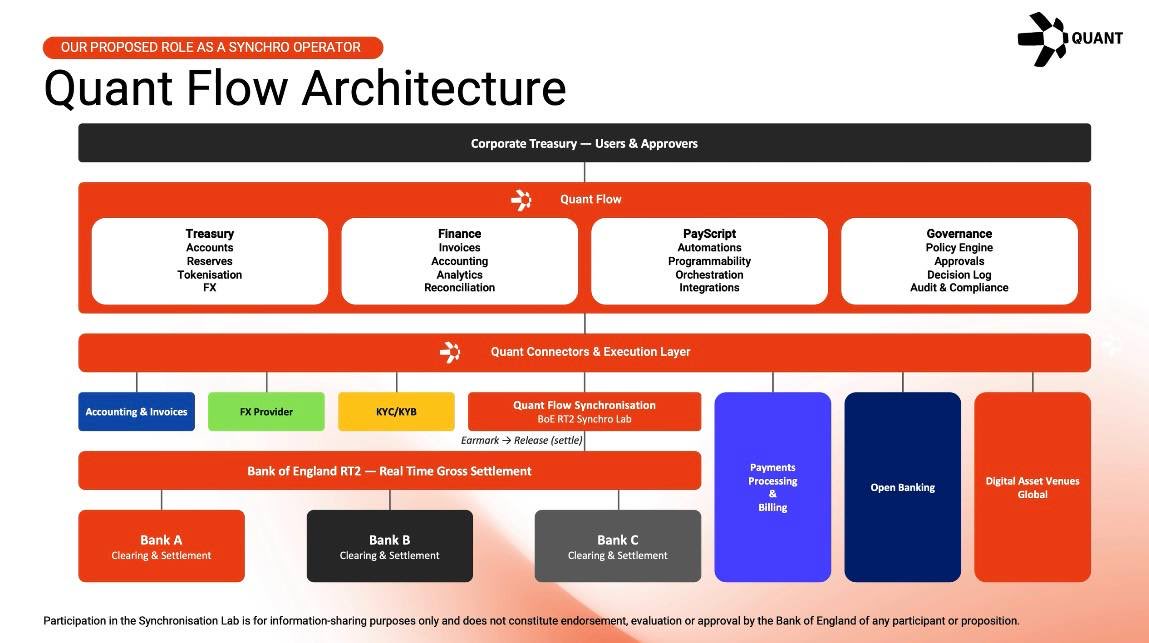
Quant’s Overledger provides the orchestration and interoperability connecting participating banks with RTGS, Faster Payments, Open Banking and tokenised-deposit platforms.
That is why this matters more than another blockchain demonstration.
The institutions are testing real financial activity across multiple banks, with fraud protection, settlement efficiency and programmability at the centre.
GBTD also follows Quant’s involvement in the UK Regulated Liability Network, while its acceptance into the Bank of England Synchronisation Lab places the project beside the UK’s work on atomic central-bank-money settlement.
Does this guarantee every bank will buy QNT? No.
But it gives Quant institutional validation that most interoperability projects spend years trying to earn.
If GBTD succeeds, the opportunity will extend far beyond one UK pilot.
Other countries are also exploring tokenised deposits, digital securities and connected payment systems.
QNT is sitting behind infrastructure the largest banks will need to make those separate systems work together.
Many people will study QNT after adoption becomes obvious.
I would rather understand why seven banks selected Quant before everyone else notices.
My conviction in $QNT came before the headlines.
Now the adoption is becoming impossible to ignore.