


$VELO is not slowing down and dosent have that in their plans for a long time.
活動
合約每日抽獎
每日交易100%中獎
現貨每日抽獎
抽 8,888 USDT 豪禮
投票上幣
投票支持區塊鏈資產,賺取空投
機構
專為機構打造的解決方案
VIP
解鎖專屬福利
BitMart 學院
快速學習入門交易,瞭解區塊鏈知識
BitMart 大使
學習、建設 Web3,從 BitMart 起航
BitMart Travel
全球旅行服務,一站式預訂
BitMart話費充值
話費、流量、套餐便攜充值
轉帳
安全便捷,隨時隨地全球匯款
幣市商城
用加密貨幣滿足您的一切消費需求
Velodrome Finance 實時價格數據
今日Velodrome Finance的實時價格為$ 0.029 (VELO/USD), 當前市值為 $ 27.42M USD。 24小時的成交量為 $ 2.11M USD。 過去24小時內漲跌幅為 -25.00%, 流通量為 915.20M VELO。
Velodrome Finance VELO 價格歷史 USD
跟蹤 Velodrome Finance 的今日價格、7天、30天和90天價格
週期
漲跌
漲跌幅 (%)
今日
$ 0.0099
-25.00%
7日
--
--
30日
--
--
90日
--
--
Velodrome Finance 市場信息
$ 0.029 24小時價格浮動區間 $ 0.039
歷史最高
$ 0
歷史最低
$ 0
24小時漲跌幅
-25.00%
24小時交易量
$ 2,112,827.30
流通供給
0.91B
VELO
市值
$ 27.42M
最大供給
--
完全稀釋的市值
$ 79.10M
交易 VELO
Velodrome Finance 社交媒體動態

Crypto Habibi
Trader
Influencer
B
 7.2K @CryptoHabibi7
 看漲
The VELO project is progressing smoothly, Binance.US listing, debit card and Off-Ramp feature under development.

Pure8
Trader
TA_Analyst
B
19.0K @Pure8Nature $VELO l @veloprotocol l @VeloOfficial_KR
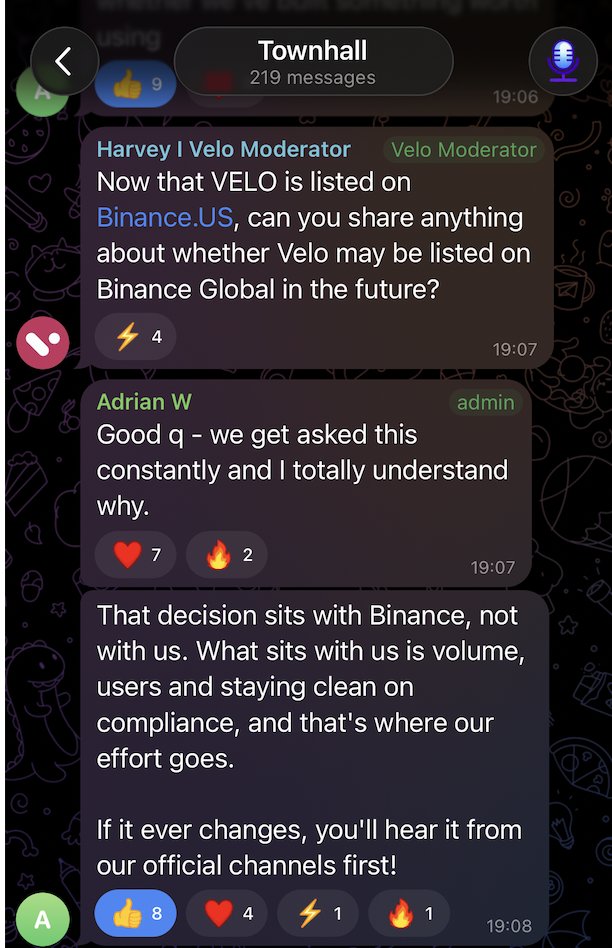
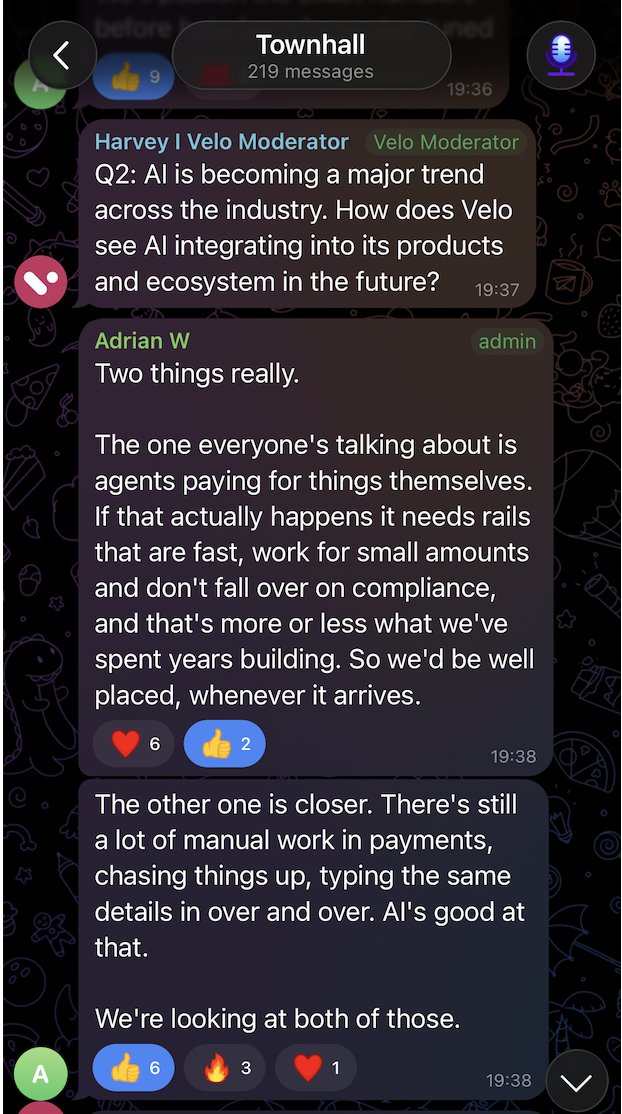
Summary from the recent VELO Townhall on 31 Jul
1⃣ @BinanceUS Listing
1. Mainly boosts credibility. Getting listed means the exchange has done its own due diligence, which acts as a positive signal.
2. Listings are just a door. Real value comes from building useful products so people actually use the token.
3. Possible Binance Global listing: The decision is entirely up to Binance. VELO focuses on growing volume, users, and staying compliant.
4. This milestone is one positive step, not the end goal. Real value comes from actual usage (transactions, card spending, off-ramp activity). Listings simply make it easier for people to enter.
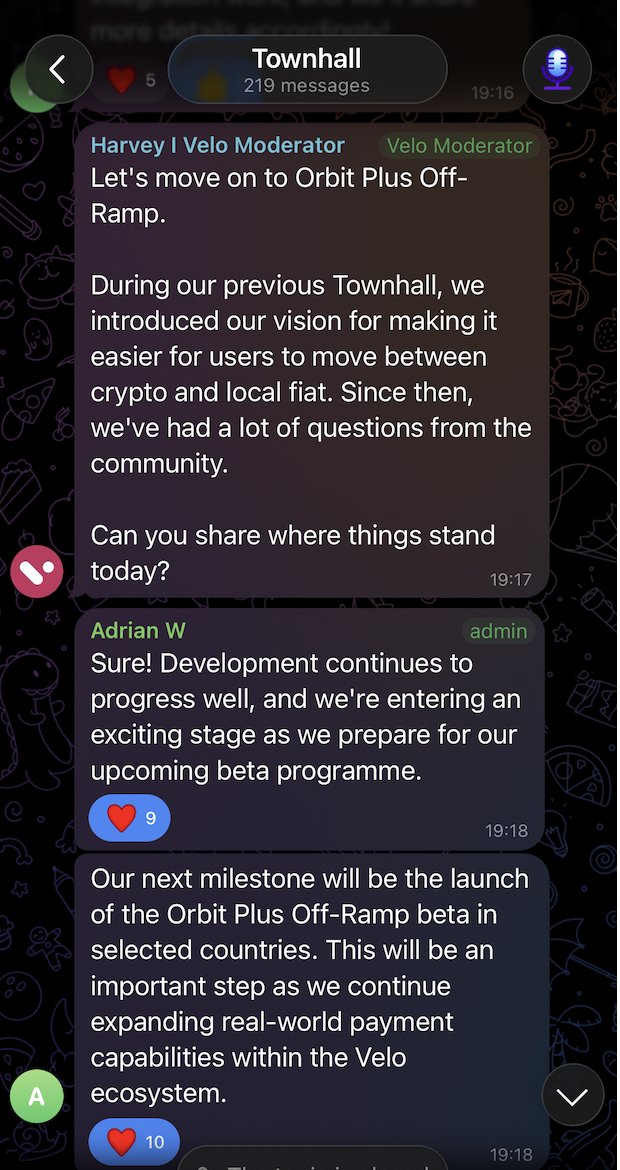
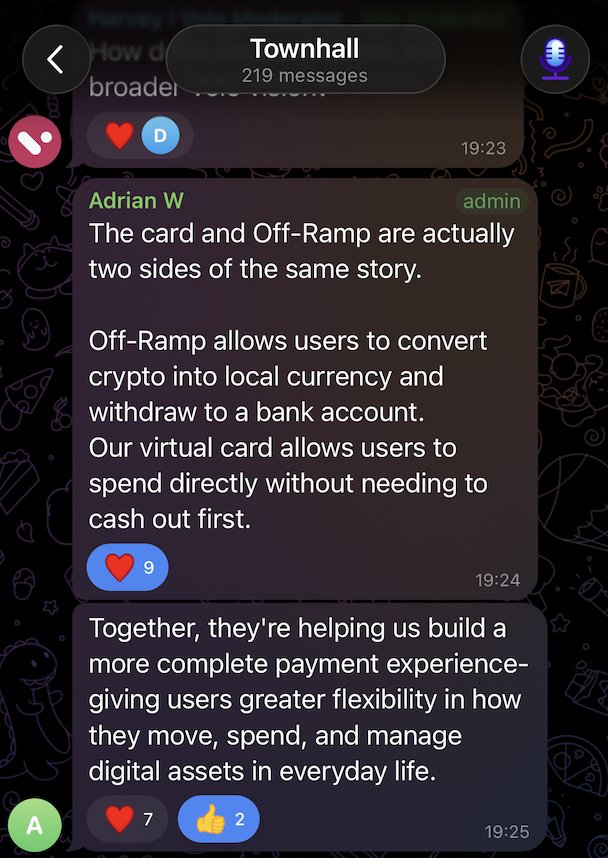
2⃣ Debit Card - Current status
Commercial agreements are done. The project is now in the integration and compliance phase with multiple partners. Development and integration continue. Details will be shared as they become available.
Spending limits 💳
- There will be daily/monthly limits set by the card issuer and scheme (not only b
 71
71
 1
1
 2.1K
2.1K
2026-08-03 04:37
發佈後VELO走勢
看漲
The VELO project is progressing smoothly, Binance.US listing, debit card and Off-Ramp feature under development.

⚡Shane_S⚡
FA_Analyst
Educator
A
2.1K @shanesek1 看漲
The altcoin market may be approaching a reversal, with technical analysis indicating a strong surge could arrive quickly before a correction; keep an eye on VELO, LINK, CRV.
Interesting take. The bigger point here is that the altcoin market may be approaching a reversal, with the strongest gains potentially coming quickly before another correction.
It’s also good to see $VELO @veloprotocol mentioned alongside $LINK and $CRV as one of the charts to watch. I definitely agree with him on VELO...I’ve remained optimistic about its potential in the upcoming run, although exactly how far it goes remains to be seen.

Cristian Chifoi
TA_Analyst
Trader
B
119.9K @ChifoiCristian Crypto is FINISHED!
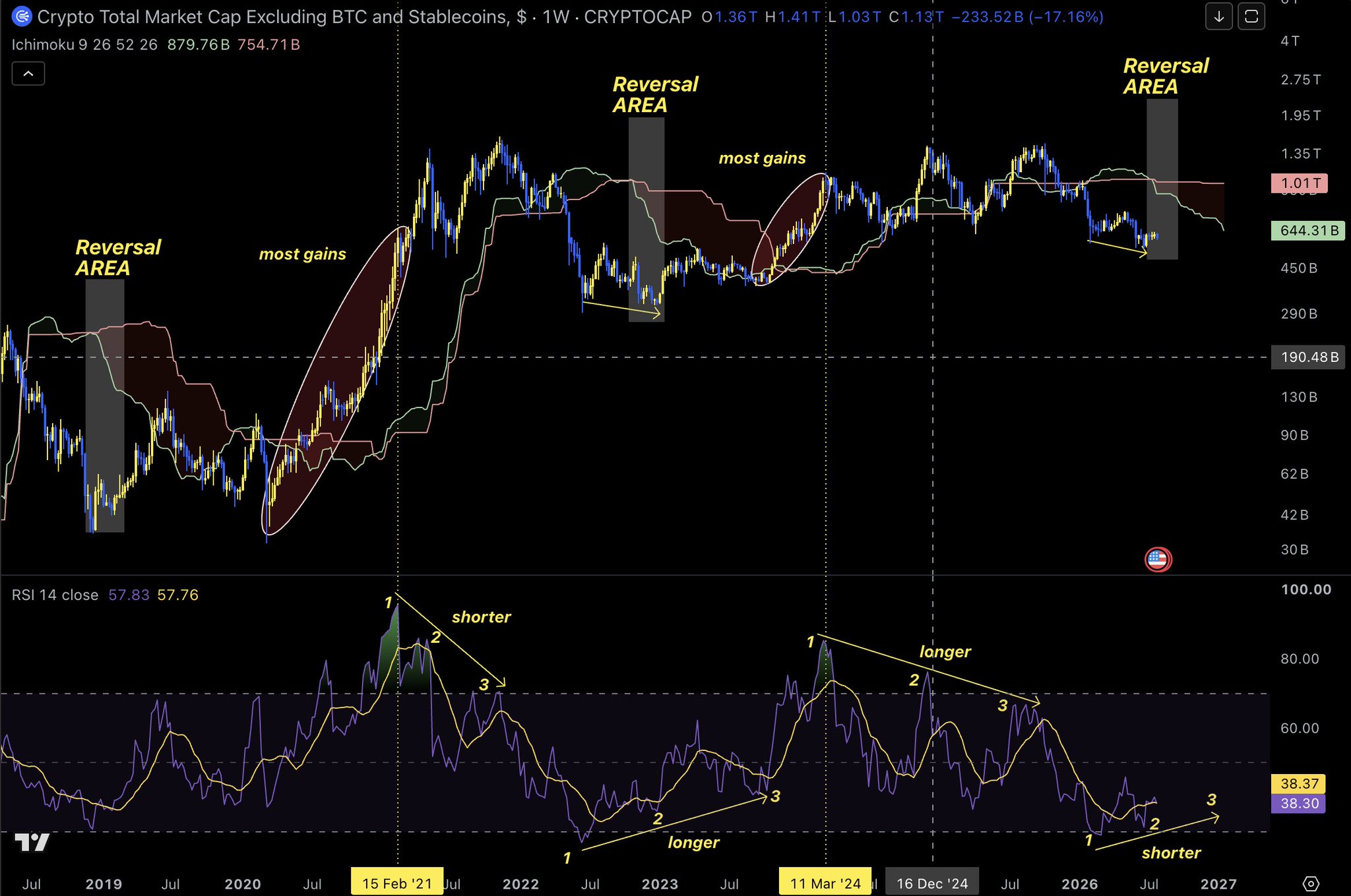
But whenever something is ending, something else is beginning. Let's see what - the chart is TOTALES (all cryptos excluding BTC and stables).
We will study:
1. Ichimoku: the only indicator that projects something in the future, not only the past
2. The RSI: the only oscilator that can bring similarities with 2021/22
3. The BIG gains: after the reversal, it doesn't last that much until the biggest move starts
4. The psychology: the one that will wreck even the ones who will make millions
1. Ichimoku
- every bear market cycle, after the kumo cloud starts to thicken, the reversal is about to start
- the chikou span (not in the pic) is actually meeting the price from February (BIG volatility move incoming - I think up, then correct again hard)
2. The RSI story
- you haven't got any similiarities in 2018, but you can find them in 2021/22, with some caveats
- the fastest push with the most gains was into 1. position on the RSI, from COVID to 2021, and from Oct 2023 to March 2024
- after tha
 49
1
2.5K
49
1
2.5K
2026-08-02 21:57
發佈後VELO走勢
看漲
The altcoin market may be approaching a reversal, with technical analysis indicating a strong surge could arrive quickly before a correction; keep an eye on VELO, LINK, CRV.

🇬🇧 ChartNerd 📊
TA_Analyst
Influencer
B
35.5K @ChartNerdTA 極度看漲
The tweet is bullish on utility tokens as undervalued gems, expecting a big rally when BTC returns to $70,000.
$VELO = Undervalued Gem 💎 https://t.co/8jTWjpIpKu

AltsDaddy D
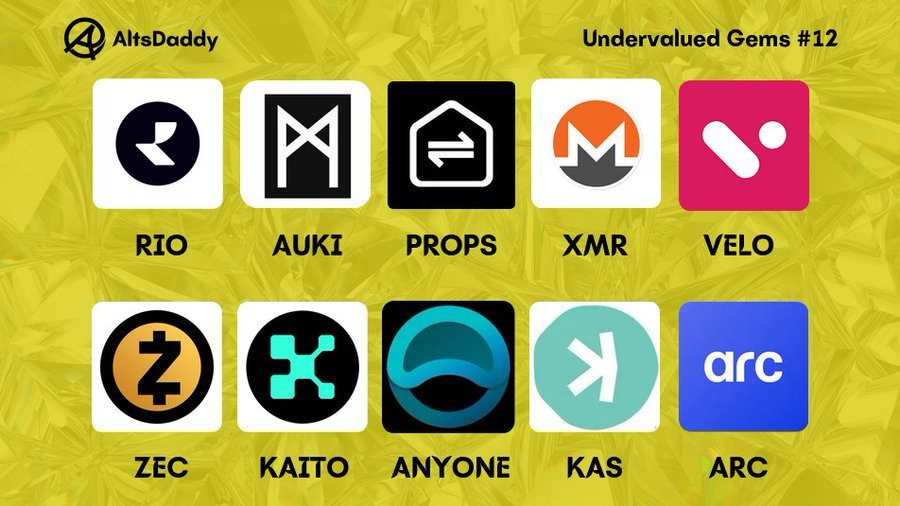
266.5K @AltsDaddycom #Utilitytokens are fast becoming one of the most popular sectors in the #crypto space.
We expect another big push for #Utility tokens as $BTC looks to reclaim $70,000
1️⃣ $RIO
2️⃣ $AUKI
3️⃣ $PROPS
4️⃣ $XMR
5️⃣ $VELO
6️⃣ $ZEC
7️⃣ $KAITO
8️⃣ $ANYONE
9️⃣ $KAS
🔟 $ARC
#Altseason2026 $DDY https://t.co/z5CSa7xYFs
 34
2
4.4K
34
2
4.4K
2026-08-02 18:53
發佈後VELO走勢
極度看漲
The tweet is bullish on utility tokens as undervalued gems, expecting a big rally when BTC returns to $70,000.
價格預測
什麼時候是購買VELO的好時機?我應該現在買入還是賣出VELO?
在判斷現在是否是買入或賣出 Velodrome Finance (VELO) 的合適時機時,首先需要結合自身的交易策略和風險承受能力。長期投資者與短期交易者對市場信號的解讀往往不同,因此建議根據個人交易計劃做出決策。 根據最新的 VELO 4 小時技術分析,當前交易信號為買入。

Beacon預測
概率價格預測(未來24小時)Beacon預測免責聲明
當面頁面的數據結果基於當前交易對的實際交易數據(OCHLV)和相應的指標計算,然後進行分析得出結果。
此預測為實驗性技術產品,僅供參考,不構成投資建議。現實生活中的任何突發事件都可能對交易行為產生重大影響,因此交易者應謹慎決策。
此預測為實驗性技術產品,僅供參考,不構成投資建議。現實生活中的任何突發事件都可能對交易行為產生重大影響,因此交易者應謹慎決策。
關於 Velodrome Finance
Velodrome Finance (VELO) is a cryptocurrency launched in 2022and operates on the Optimism platform. Velodrome Finance has a current supply of 2,648,017,878.46186331 with 915,202,511 in circulation. The last known price of Velodrome Finance is 0.03508179 USD and is down -4.92 over the last 24 hours. It is currently trading on 179 active market(s) with $2,236,215.17 traded over the last 24 hours. More information can be found at https://velodrome.finance/.
查看更多
購買 VELO
交易 VELO